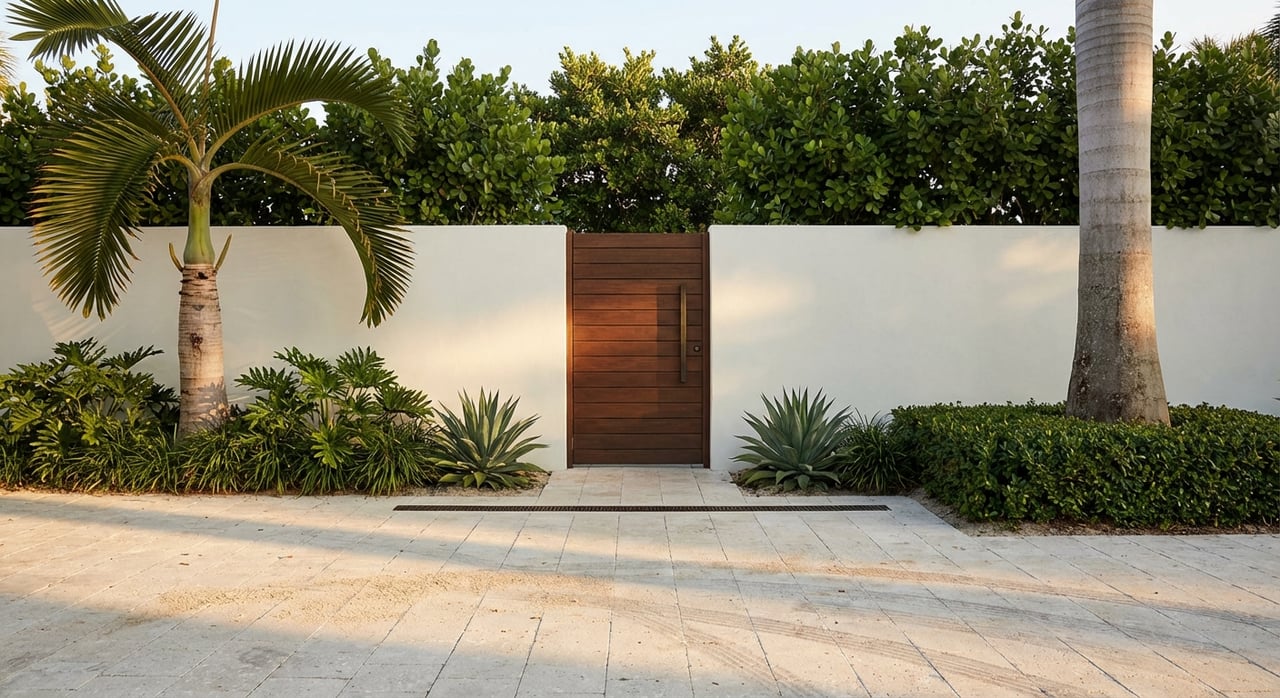
Sell Your Jupiter Island Legacy Estate Discreetly
February 19, 2026
February 19, 2026
You want to pass a beloved Jupiter Island estate to the next steward without the spotlight. Privacy matters to you, but so does price and control. You can have both, if you follow a proven, confidentiality‑first plan tailored to our island’s unique market. In this guide, you’ll learn the guardrails, discreet marketing tactics, and buyer‑vetting steps that protect your identity while preserving pricing power. Let’s dive in.
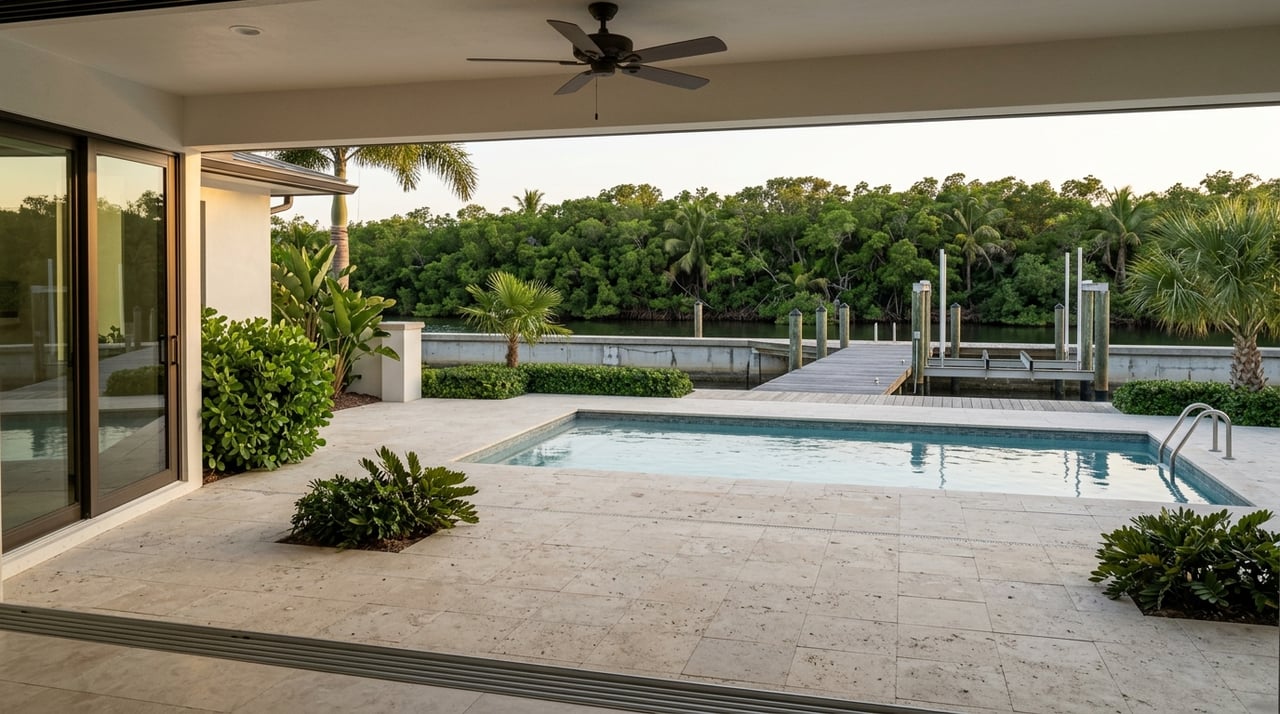
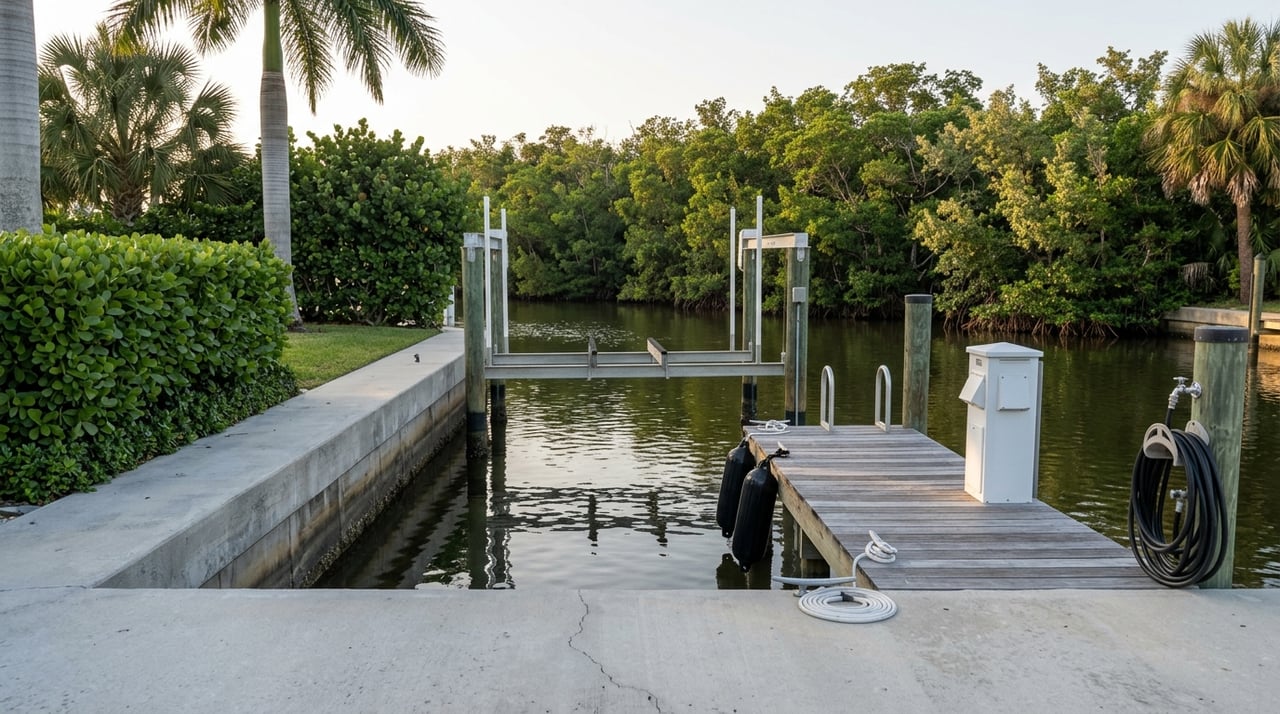
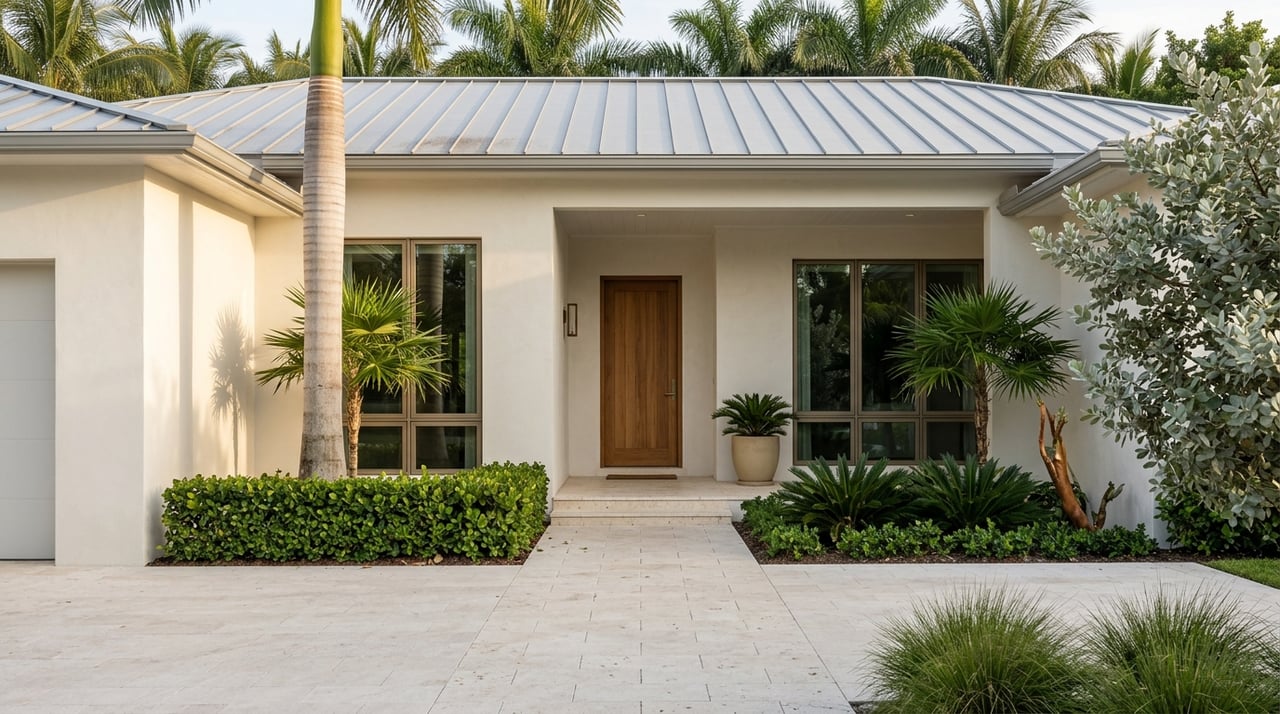
Jupiter Island is small and highly private, and legacy estates here are often one‑of‑a‑kind. Inventory is limited and turnover is low, which supports strong values but also creates thin pools of comparable sales. That reality makes strategy and documentation more important than splashy exposure.
With few direct comps, pricing and appraisal can be challenging for architectural or historic estates. You can help appraisers and qualified buyers understand value with a clean documentation package, including surveys, inspections, and a thoughtful broker analysis that explains the property’s uniqueness and improvements. Industry coverage shows that better preparation often produces smoother valuations and stronger outcomes for special assets. See the discussion of MLS exposure and pricing dynamics in this Inman analysis of listing outcomes.
Limiting exposure protects your identity and daily life, but it also narrows your buyer pool. Fewer buyers usually means less competitive pressure on price. Multiple industry studies, including the Inman piece above, note that broader exposure often correlates with stronger sale prices. A smart plan protects privacy first, then expands exposure only if needed to support value.
A discreet sale must follow clear rules. Knowing them protects your privacy and deal certainty.
Florida law gives you options for confidentiality, but it also sets out broker duties and required disclosures. Your agent must document your instructions in writing and cannot hide material facts about the property. Review the statutory framework before you set terms for privacy with your broker using Florida’s brokerage statute overview.
The National Association of REALTORS has a policy that generally requires an MLS submission within one business day once public marketing begins. Many MLSs also offer a seller‑elected office‑exclusive or delayed‑marketing route when you sign an informed‑consent form. This creates a lawful private window for controlled outreach. Confirm specifics with your broker and local MLS rules, and review NAR’s Clear Cooperation policy.
A major federal update, the Residential Real Estate rule, will require settlement agents or designated parties to collect and submit beneficial‑ownership details for many non‑financed purchases by entities or trusts. The industry’s current effective date is March 1, 2026. While this filing is not public, you should assume title and closing professionals will collect buyer identity details in many entity purchases. Learn how the rule may apply via this overview of FinCEN’s reporting framework.
In Florida, the deed and key transfer documents become part of the public record once recorded, and documentary stamp tax is generally due on the deed consideration. No marketing choice can avoid recording. Plan privacy around marketing and information‑sharing, not around public records. For tax mechanics, see the Florida Department of Revenue’s guidance on documentary stamps.
If an estate or trust is selling the property, Florida probate statutes and the will’s power‑of‑sale language can affect authority and timing. In some cases, court authorization or confirmation may be required. Coordinate with counsel at the start and review Florida’s probate code to understand the path.
A confidentiality‑first plan should be specific, documented, and time‑boxed. Here are options that align with local expectations.
This route limits marketing to a curated circle of top luxury agents and vetted buyers. Full address and media remain withheld until verification. It is effective for owners who value privacy and who choose an advisor with deep UHNW relationships. Confirm the office‑exclusive workflow and required seller consent, and see practical tactics tailored to our market in this guide to confidential listing options on Jupiter Island.
Start with a 30 to 60 day private window. If multiple qualified offers surface, you can choose the best fit quietly. If not, pivot to a controlled MLS launch to widen exposure and price discovery. This protects privacy early while preserving your ability to create competition if needed. The approach is outlined in the same Jupiter Island confidential‑sale overview.
Use elegant lifestyle teasers that avoid address, street view, and identifying details. Release full photography, floor plans, and disclosures only after a signed NDA and buyer vetting. This lets you test demand without revealing identity. See NDA and material‑control best practices in the local confidential‑sale guide.
If several serious, vetted buyers emerge, you can set a best‑and‑final deadline for sealed or private offers. This creates competitive pressure without going public. Use this tactic only with multiple credible prospects and defined rules. For context, review the invitation‑only approaches in the Jupiter Island confidential‑sale playbook.
Strong gatekeeping protects your privacy and improves deal quality.
Require a signed NDA that covers address, images, floor plans, seller identity, and non‑circumvention, with carve‑outs for lenders, appraisers, title, and attorneys. Ask for recent bank letters or redacted institutional statements before releasing sensitive details or hosting a showing. See accepted proof formats in this proof‑of‑funds guide. Verify government ID and confirm the buyer representative. If the buyer is an entity, identify the authorized signatory early and brief your title team on possible FinCEN reporting using the RRE rule overview.
Host full photo sets, plans, and disclosures in a password‑protected data room. Watermark assets, control image resolution, and strip geotagged metadata. Route all media requests through your listing broker. These steps are standard in discreet luxury sales and are summarized in the local confidential‑sale practices.
You can support price and appraisals while staying off‑radar.
Build a concise package that validates value: recent survey, pre‑listing inspections, documentation of renovations and systems, and a broker CMA that explains the private‑marketing choice. Industry reporting indicates that organized, transparent packages help appraisers and serious buyers justify value, especially when comps are thin. See context in the Inman review of MLS exposure and value outcomes.
If your private window does not produce acceptable terms, expand strategically. A controlled MLS launch within a defined timeline keeps momentum and supports competitive offers. Align your pivot with the NAR framework for public marketing under the Clear Cooperation policy.
Here is a sample two‑track cadence you can tailor with your advisor:
When you interview potential listing brokers, request written answers to these questions:
You deserve a calm, high‑touch process tailored to your goals. As a long‑time South Beach Road resident, I understand the island’s rhythms and what it takes to honor a legacy property. My approach is boutique and relationship‑driven: a curated outreach list, office‑exclusive options, vetted buyer networks, multilingual communication when helpful, and a documented plan for if and when to broaden exposure. With William Raveis Real Estate’s institutional platform behind a private, personal brand, you receive both national reach and a discreet, one‑to‑one experience.
If you are considering a discreet sale of your Jupiter Island estate, let’s talk about a plan that protects privacy and maximizes outcome. Request a private consultation with Leila Kallop.
Stay up to date on the latest real estate trends.



Leila has been a Jupiter Island resident since 2011 and brings a deep understanding of the island’s luxury waterfront properties. Residing on South Beach Road provides her a unique perspective on what makes Jupiter Island real estate so exceptional.

LEILA KALLOP
WILLIAM RAVEIS REAL ESTATE
2 S Beach Rd
Jupiter Island FL 33455