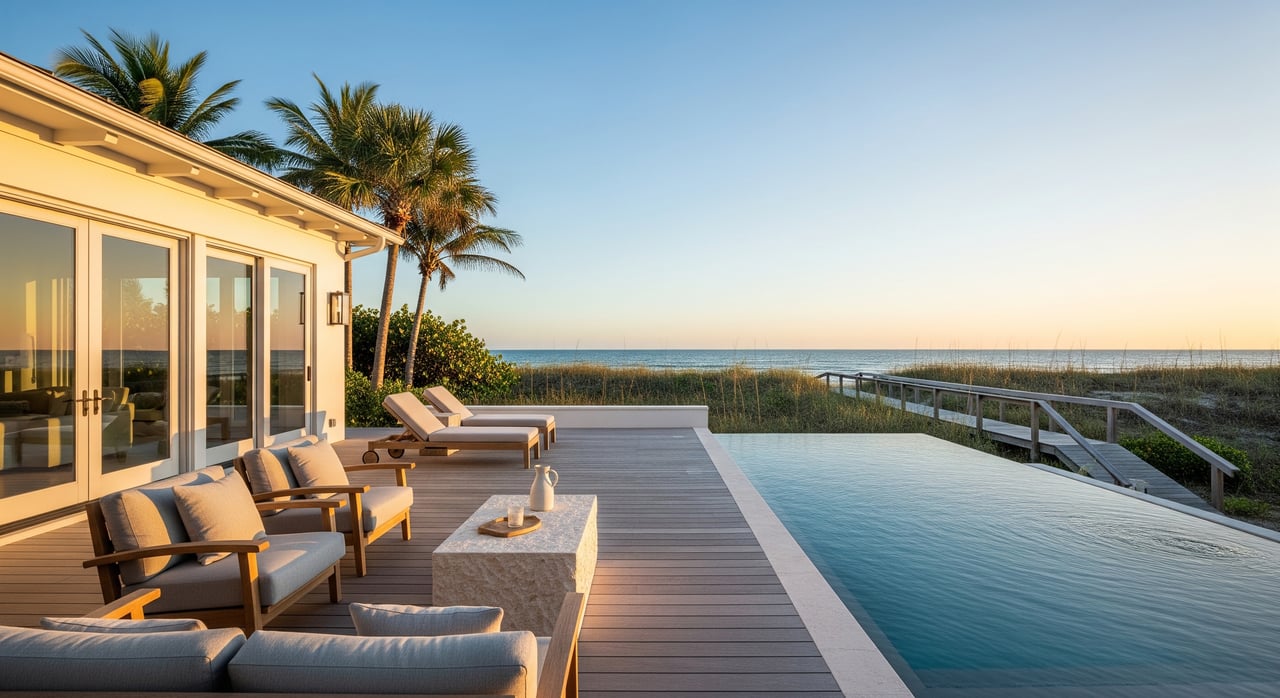
Inside the Jupiter Island Oceanfront Lifestyle
February 5, 2026
February 5, 2026
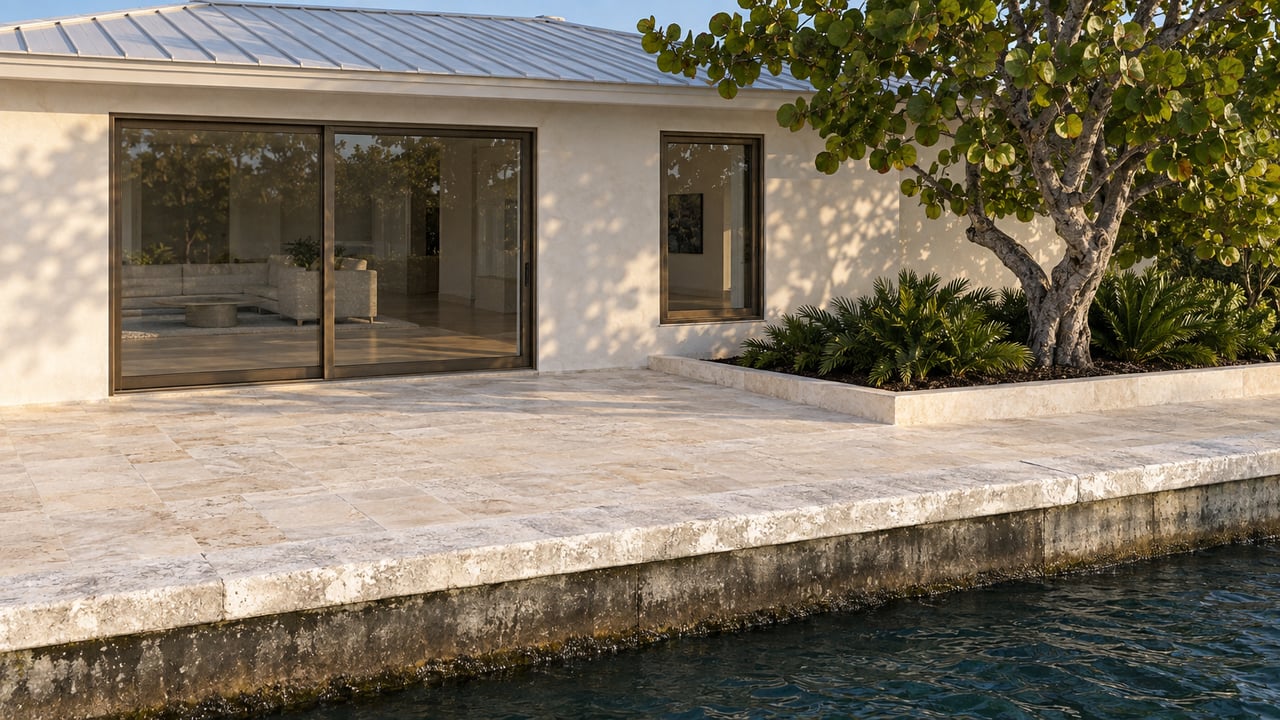
What does a day on Jupiter Island’s oceanfront really feel like? Picture the soft rush of waves, sunrise light pouring through glass, and a quiet rhythm that sets its own pace. If you’re considering a second home or a longer-term move, you want more than pretty photos. You want to know the routines, the logistics, and the thoughtful stewardship that come with living on a rare stretch of Atlantic shoreline. This guide walks you through the everyday reality, from morning rituals to storm readiness, with a clear view of privacy, community, and convenience. Let’s dive in.
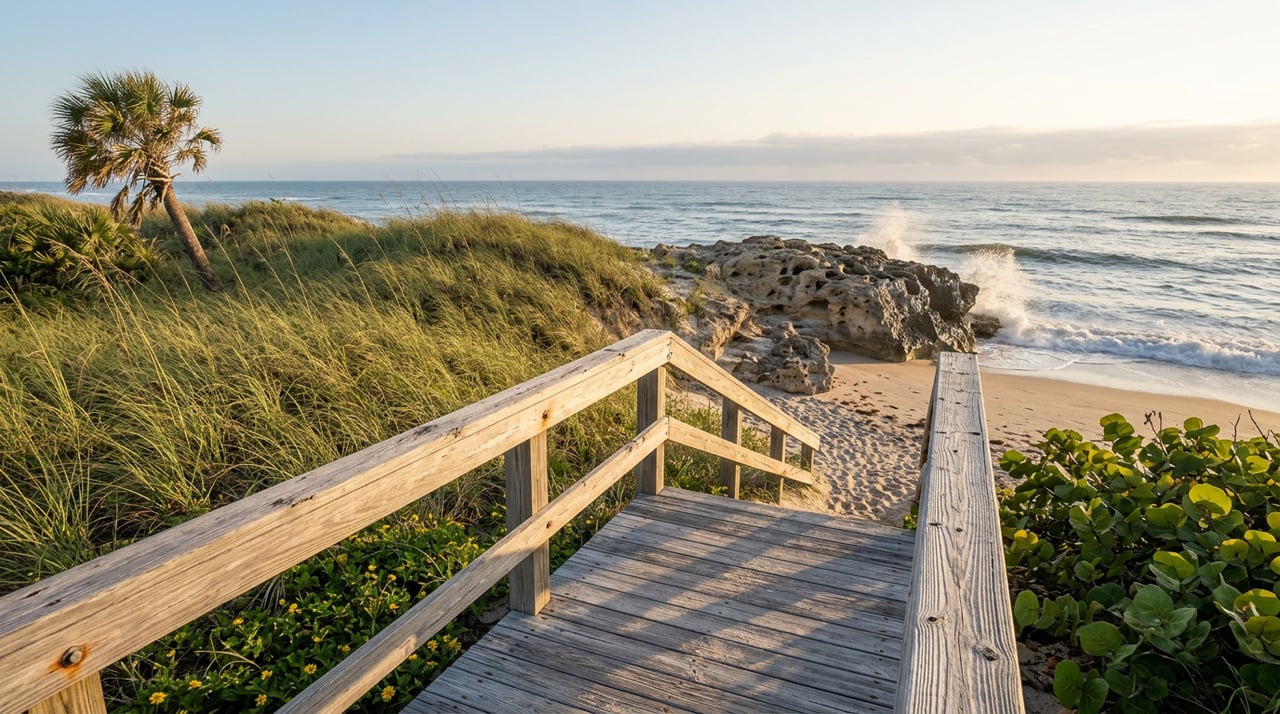
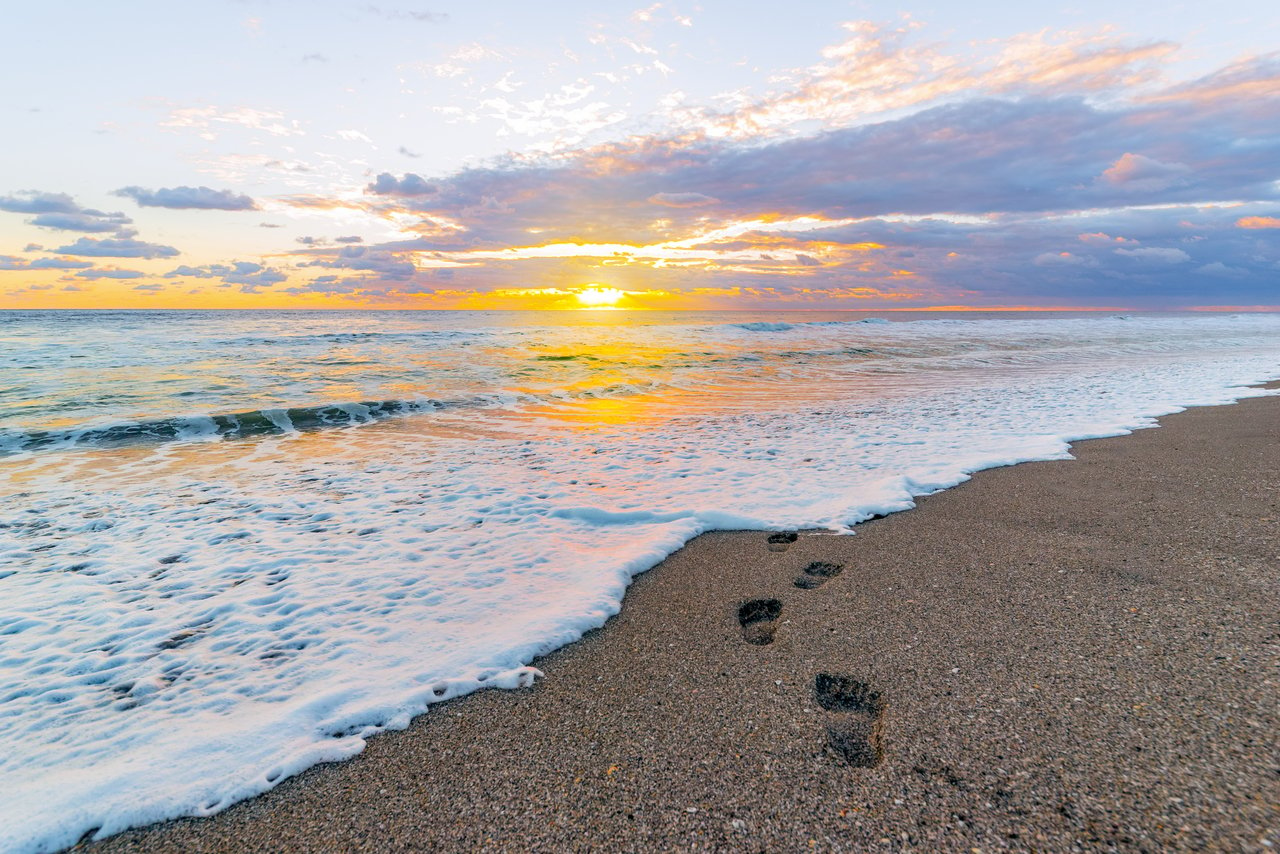
Sunrise is your daily cue. With homes oriented to the Atlantic, the early light invites simple rituals: a beach walk, a short run on firm sand, or coffee on an ocean terrace. You check tides and weather almost on autopilot, planning quick paddles, a swim, or a later boat run. The sensory backdrop is constant but soothing: salt air, the sound of surf, and the steady breeze.
Sea breezes help moderate summer heat, but salt and humidity shape how you live. You may hang quick-dry towels, choose performance fabrics, and schedule routine HVAC service to stay ahead of salt corrosion. Outdoor furniture and railings need more frequent care. With windows closed, modern systems keep interiors quiet; open them, and you’ll hear the calming white noise of the ocean.
Your calendar often follows the water. Tidal swings and daily surf conditions influence when you fish, paddleboard, or swim. Low tide can reveal wider beach and tide pools, while higher surf might call for a board instead of a kayak. Boaters eye the forecast early, timing outings around safe windows and inlet conditions.
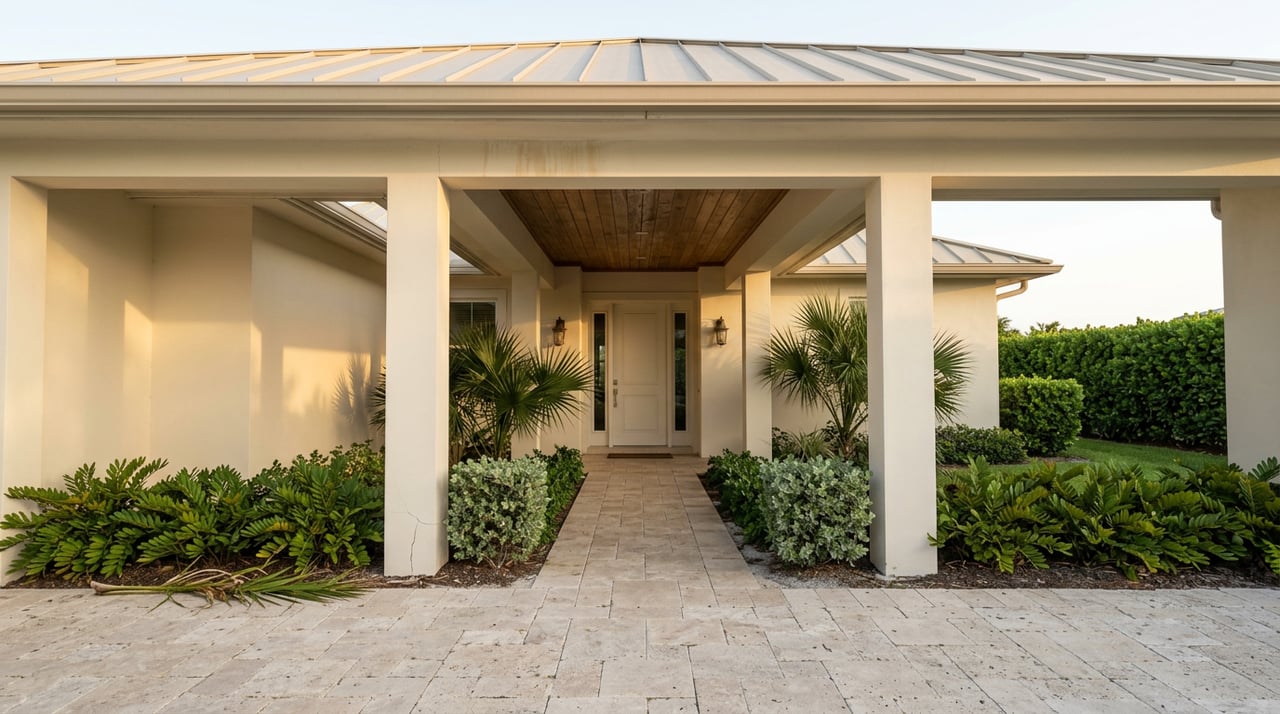
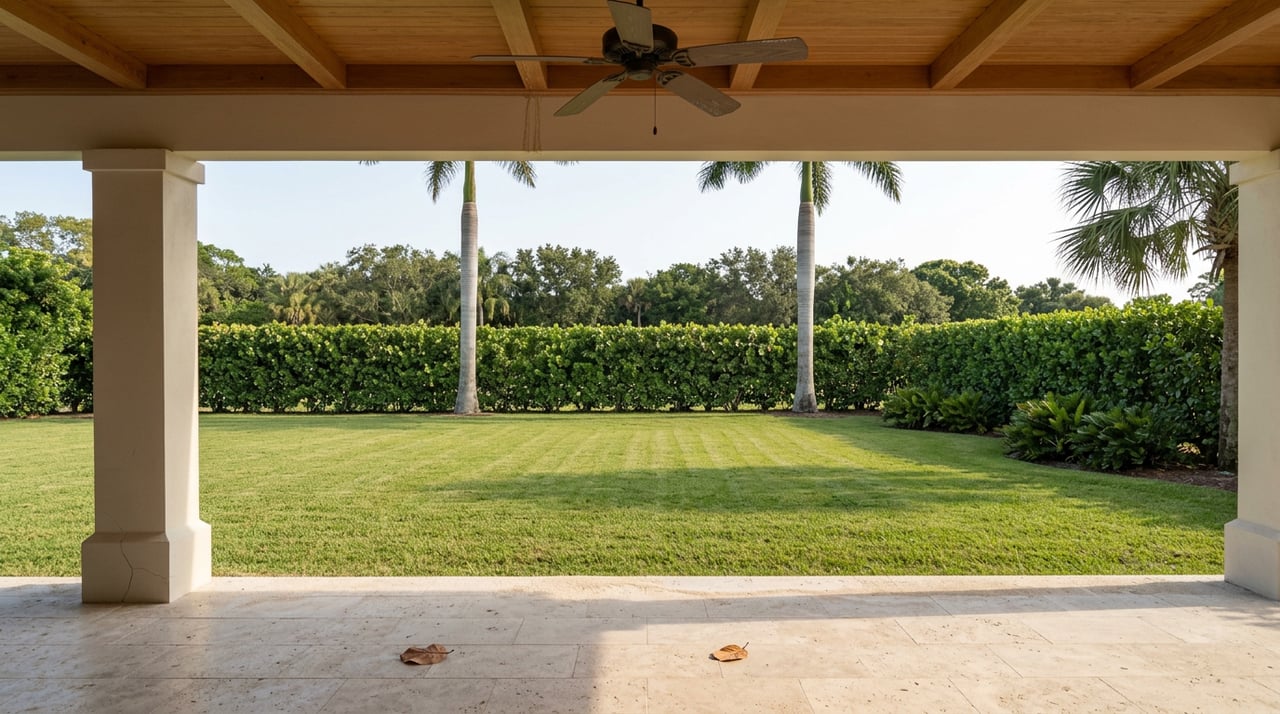
Jupiter Island is known for large lots, deep setbacks, and gated entries. Homes are designed for seclusion, with sightlines and landscaping that preserve views while limiting visibility. The pace is low-key. Neighbors value discretion, property care, and dune stewardship. You can be social, but you can also keep to yourself.
Winter brings more residents and a fuller social calendar. Expect more activity at private clubs and in nearby Jupiter’s dining and cultural spots. Summer is quieter and warmer, with a relaxed, family-forward feel. Whether you’re full-time or part-time, you’ll find a steady rhythm that respects privacy while allowing for easy connection when you want it.
Daily needs are simple to reach in nearby Jupiter and Hobe Sound, from groceries and cafes to specialty services. For major medical and specialty shopping, you’ll likely drive to larger centers in Martin or Palm Beach County. When you travel, you’ll plan around the nearest major airports, with Palm Beach International and other South Florida options within practical driving range.
Oceanfront homes thrive with proactive care. Common routines include:
Many second-home owners rely on a trusted property manager and a vetted vendor roster to keep everything seamless.
Insurability is a core part of ownership on the ocean. You should expect elevated costs for homeowners, windstorm, and, where required, flood coverage. Deductibles for named storms matter, and elevation and FEMA flood zone designations can influence premiums and long-term planning. If you’re comparing properties, ask for elevation certificates and current policy details so you understand the full picture.
Hurricane season runs June 1 through November 30. Most owners keep a clear plan for supplies, shutters or impact systems, garage storage for outdoor items, and boat protection or haul-out. You’ll decide in advance when to secure the property and whether to relocate for a storm. After a weather event, a quick property check and dock inspection are part of the routine.
Sea turtle nesting season typically runs from spring into early fall. Local rules limit beachfront lighting during this period to protect nesting turtles and hatchlings. You’ll use shielded, low-intensity fixtures and keep decorative lighting away from the beach. Evening walks feel gentle and dim, which many residents come to appreciate.
Dune vegetation and natural profiles are protected. If you plan projects such as dune walkovers, seawalls, or dock work, expect permits from local and state agencies. As a barrier island, Jupiter Island is also thinking long term about sea level rise and coastal resilience. Smart owners factor these realities into renovations, landscaping, and insurance planning.
Just across the water, you’ll find marinas, sportfishing charters, and waterfront dining. Cultural mainstays like the Jupiter Inlet Lighthouse & Museum and a respected regional theater add variety. Shopping clusters offer casual and upscale choices, making last-minute plans easy.
South of you, Blowing Rocks Preserve shows off a rare rocky shoreline, especially dramatic at higher tides. Jonathan Dickinson State Park offers hiking, paddling, and a different kind of coastal landscape on the Loxahatchee River. These places give you quiet options when you want a change of scene without a long drive.
Here is how a typical day might unfold:
If you want quiet mornings, easy access to the water, and a culture that values privacy, the lifestyle fits beautifully. You need to be comfortable with proactive maintenance, seasonal rhythms, and clear plans for storms. In return, you get an oceanfront routine that feels grounded and restorative.
If you’re exploring the island’s inventory or weighing oceanfront vs. Intracoastal options, let’s talk. As a long-time South Beach Road resident with deep local ties and discreet access to on- and off-market opportunities, I can help you compare properties and plan next steps with clarity.
Ready for a private, informed conversation about your goals on the island? Request a confidential introduction with Leila Kallop.
Stay up to date on the latest real estate trends.
Leila has been a Jupiter Island resident since 2011 and brings a deep understanding of the island’s luxury waterfront properties. Residing on South Beach Road provides her a unique perspective on what makes Jupiter Island real estate so exceptional.
LEILA KALLOP
WILLIAM RAVEIS REAL ESTATE
2 S Beach Rd
Jupiter Island FL 33455