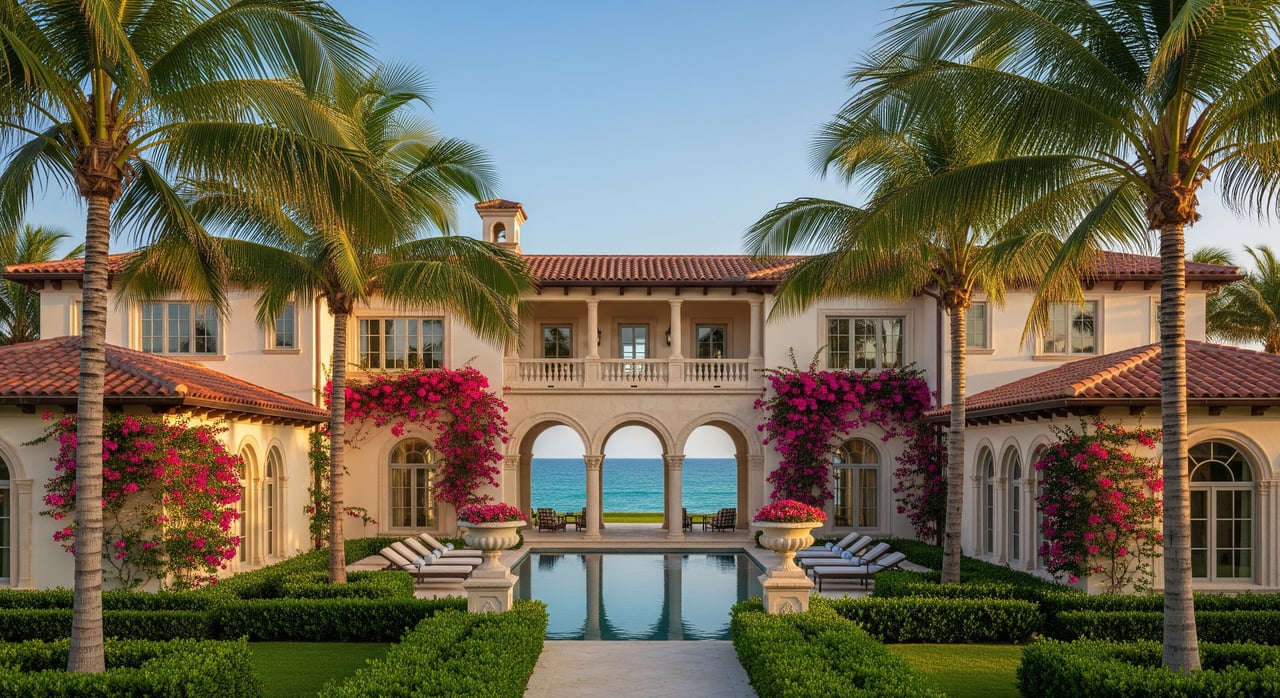
Palm Beach Real Estate Seasonality, Explained
December 18, 2025
December 18, 2025
Is your timing helping or hurting your results in Palm Beach’s luxury market? If you split time between homes or travel for work, it can be hard to know when to list, when to shop, and how seasonality changes negotiations. You are not alone. The Palm Beach area has a clear rhythm that shapes inventory, showings, and pricing.
In this guide, you’ll learn how the season works, the best listing windows, how buyer behavior shifts, and what to plan around during hurricane months. Let’s dive in.
Palm Beach’s luxury market follows a defined season. Activity builds in late fall, peaks in winter, and tapers in spring. Most years, the core season runs November through April, with many buyers in town from January to March.
Late spring through early fall is quieter. There are fewer in-person showings and a smaller active buyer pool. Summer overlaps with hurricane season, which can affect travel and risk tolerance for closings.
Hurricane season runs June 1 to November 30. Buyers and sellers often avoid scheduling sensitive closing windows during peak storm months because inspections and insurance can be affected after major weather events.
Listing in late summer or early fall positions you to meet early-season demand. You benefit from fresh market visibility as buyers arrive. The tradeoff is lighter summer foot traffic, so digital previews and broker outreach matter.
October through January aligns with maximum buyer presence. If your pricing and presentation are strong, you may see faster activity and competitive offers. Early-season listings can also help set the year’s comparables.
May through September has fewer in-person buyers but also less competition. This can work if you want quieter marketing or are not focused on the shortest days on market. Consider stronger digital marketing and flexible terms that speak to serious off-season buyers.
In-season buyers are often in residence or visiting for the social calendar. They compare properties in person and may move quickly for the right location and lifestyle. Well-positioned listings can draw multiple offers.
Off-season buyers are typically more price-focused and may include investors or out-of-area clients using virtual due diligence. They can have more leverage if inventory is aging or sellers are motivated.
For sellers, in-season usually brings stronger negotiating power. For buyers, off-season can open the door to concessions on price, timing, or fees. Your strategy should match your goals and timeline.
In-season, expect more in-person tours, including private or twilight showings. High-net-worth sellers often require pre-arranged and broker-accompanied visits with vetted buyers. Quality presentation remains essential, and virtual assets support quick decisions.
Off-season, lean into digital. High-end video, virtual tours, and targeted outreach help reach traveling and international buyers. If you must list off-season, fine-tune pricing and consider incentives that reduce friction for serious prospects.
Pro tip: For distinctive or complex estates, allow extra lead time. Luxury buyers have longer decision cycles and you want every detail dialed in.
If you list early in the season, market or slight-premium pricing can work when demand is concentrated. Presentation and condition must support the ask. Buyers should expect quicker timelines and may need strong deposits, clean terms, and focused inspection windows.
Off-season, pricing should be more realistic. Sellers can offer closing credits or flexible dates. Buyers can often request concessions if the property is aging on market or has condition items.
Plan for the logistics of hurricane season from June 1 to November 30. Inspections, insurance underwriting, and repair timelines may change after major storms. Many parties avoid setting critical closing dates during peak storm weeks.
Luxury transactions involve added due diligence. In addition to standard inspections, consider roofs, pools, seawalls, elevators, specialty systems, flood mapping, and mitigation estimates. Sellers can use pre-listing inspections to shorten timelines.
Ready to plan your timing with a calm, strategic partner? Connect with Leila Kallop for a private, boutique-level consultation tailored to your goals.
Stay up to date on the latest real estate trends.
Leila has been a Jupiter Island resident since 2011 and brings a deep understanding of the island’s luxury waterfront properties. Residing on South Beach Road provides her a unique perspective on what makes Jupiter Island real estate so exceptional.
LEILA KALLOP
WILLIAM RAVEIS REAL ESTATE
2 S Beach Rd
Jupiter Island FL 33455