A Strategic Primer on the Jupiter Island Waterfront Market
November 21, 2025
November 21, 2025
Is a Jupiter Island waterfront home on your mind, but you are not sure where to start? With low inventory, quiet trades, and unique parcels, it can feel hard to get a clear picture. This quick primer gives you a grounded overview of property types, how different segments trade, what drives value, and the key risks and checks to make before you move. Let’s dive in.
Jupiter Island is a low‑density barrier island known for privacy, beach access, and prestige. Inventory is limited and sales often happen through relationships or off‑market introductions. Many properties change hands infrequently, so patience and timing matter.
Buyers are typically high‑net‑worth individuals seeking second homes, seasonal residences, or legacy estates. Sellers are often long‑term owners, estates, or owners ready to redevelop or reposition. Thin comparable sales for one‑of‑a‑kind properties make local expertise and experienced appraisals essential.
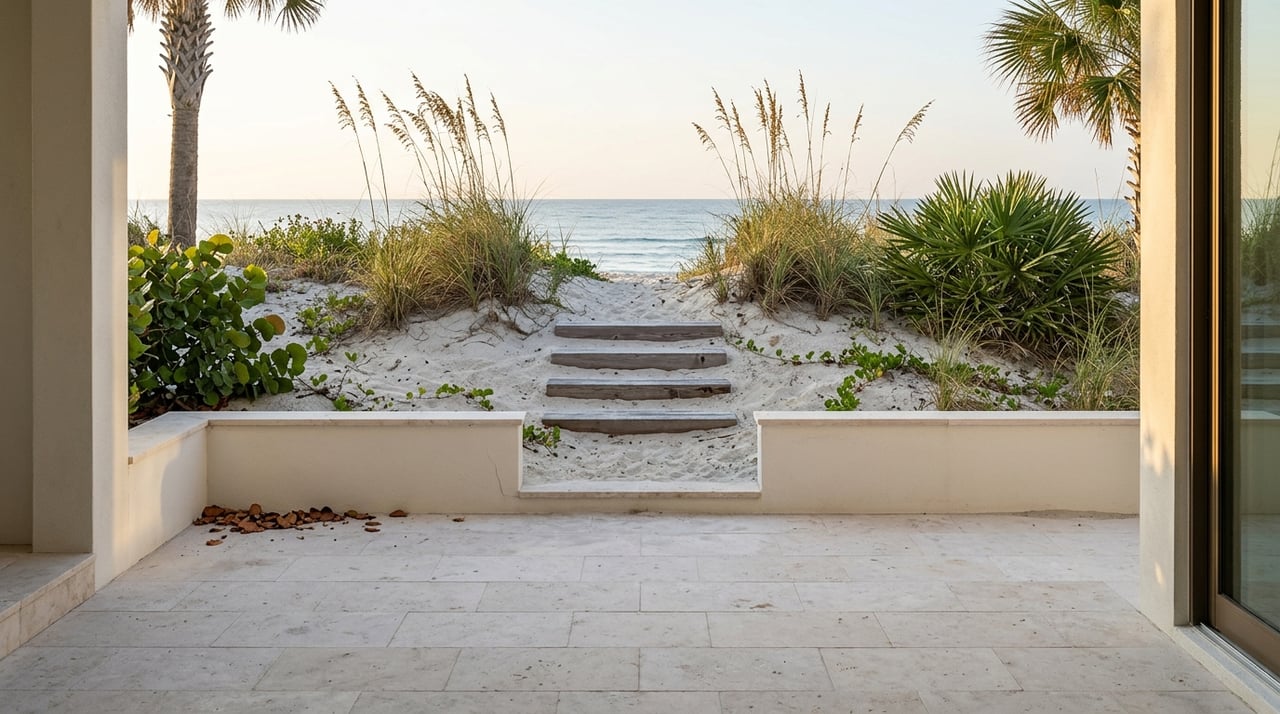
These parcels front the Atlantic with direct beach access and eastward views. Dune height and vegetation, elevation, and shoreline protection are major value and risk factors. Strong privacy and lifestyle benefits typically support a premium.
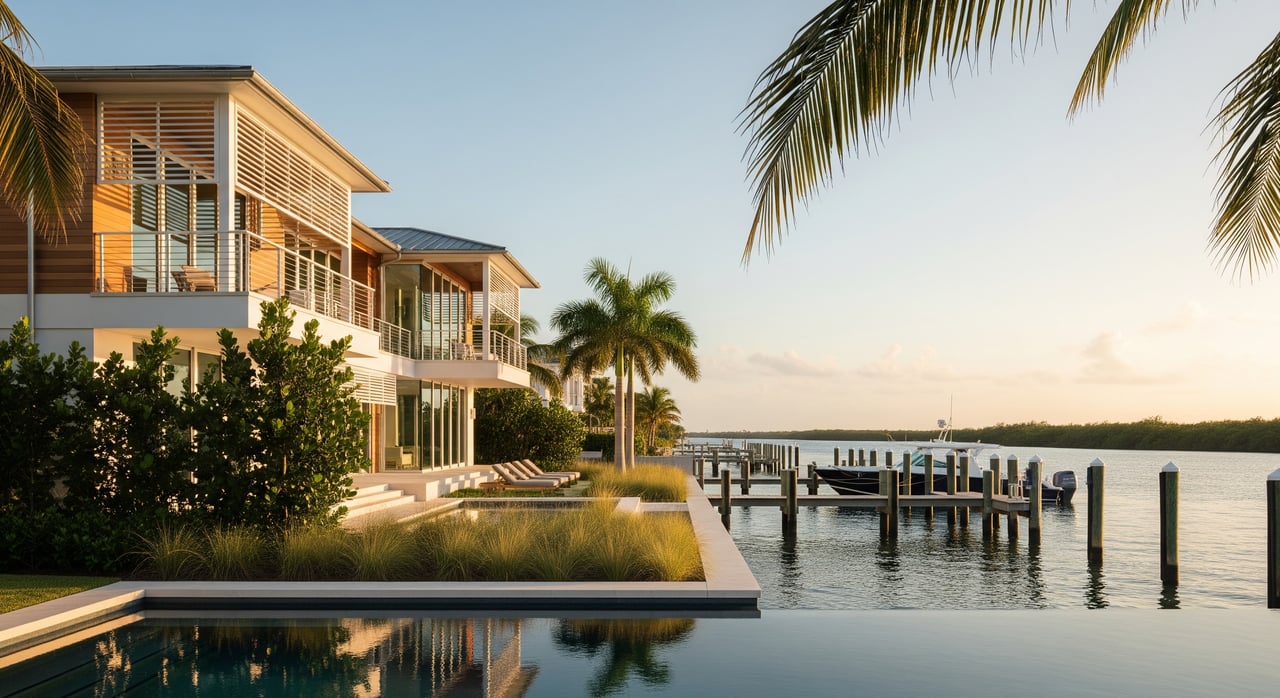
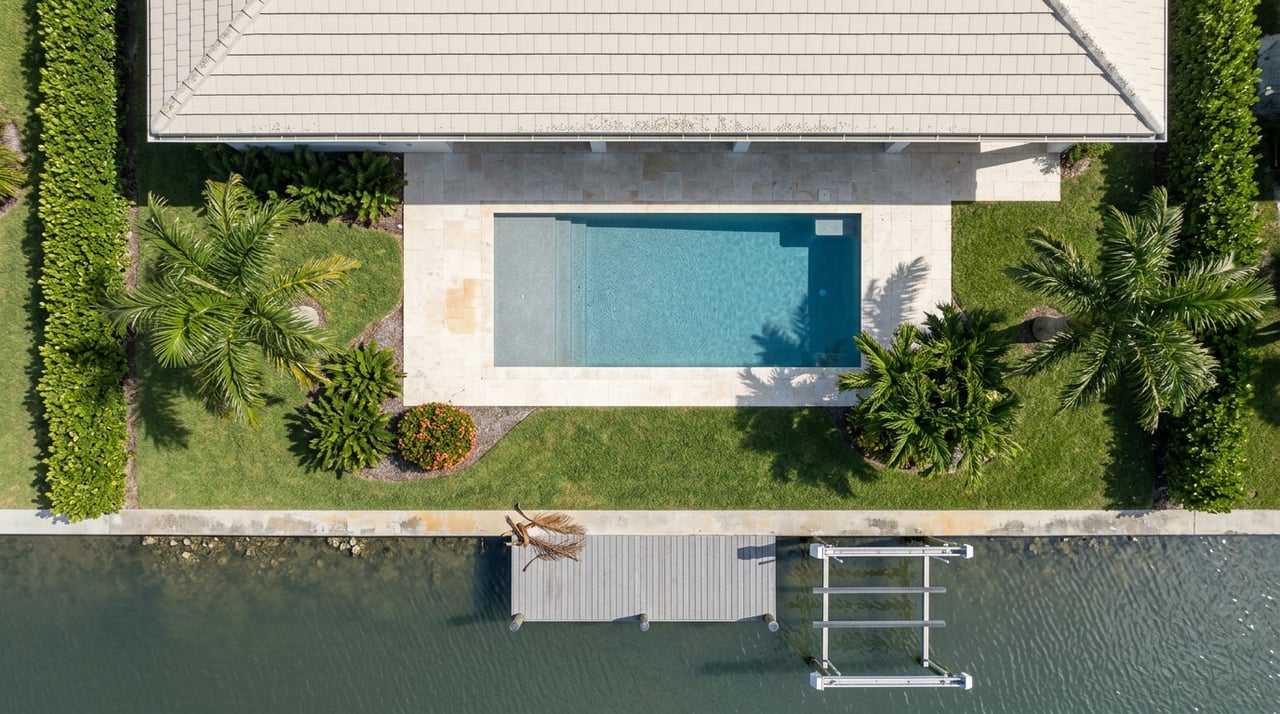
West‑facing waterfront along the Indian River Lagoon offers protected boating, dockage, and sunset views. Value is tied to dock size, water depth at the dock, permitted vessel size, and distance to inlets and bridges.
Also called through or double‑frontage parcels, these are rare and highly prized. You get private beach enjoyment and boating on the same estate, which supports top‑tier pricing when available.
True vacant lots are limited. Many trades involve older homes where buyers plan a teardown and rebuild. Buildability, setbacks, and coastal construction rules are central to pricing and timelines.
Larger compounds with guesthouses, private amenities, and extensive grounds sit in a class of their own. Privacy, frontage width, and overall site plan drive interest.
This is the primary trophy segment. Private beach access and views carry a meaningful premium. Dune quality and elevation often determine how aggressively buyers bid.
Lots with continuous, well‑vegetated dunes and favorable elevation can see higher per‑foot pricing. Buyers view established dunes as reducing erosion risk and insurance pressure.
Still desirable, but visible erosion risk and lower elevation create negotiation points. Expect deeper inspections of shoreline protection and future renourishment needs.
Demand centers on boating. Dock length, depth, and navigability to ocean inlets shape pricing. Proximity to fixed bridges and the permitted boat size are common gating issues.
These command significant premiums due to dual access and flexibility of use. They are scarce and often trade privately.
Lower price tier and generally faster turnover compared with direct waterfront. Useful as entry points to the island with potential for future redevelopment.
Most oceanfront parcels sit in FEMA V or coastal A zones, and many Intracoastal lots are in A zones. That affects insurance requirements, building elevation, and retrofit costs. Use the FEMA Flood Map Service Center to confirm zones and the NOAA Sea Level Rise Viewer for long‑term exposure insights.
Flood and wind coverages can be significant line items. Market conditions in Florida have been volatile, so work with brokers who understand coastal high‑value properties. For state‑level updates and insurer availability, consult the Florida Office of Insurance Regulation.
Plan for seawall and dock inspections, repair, or replacement cycles. Oceanfront owners should budget for dune care or renourishment where applicable. If coastal protections are deferred, buyers typically discount offers to account for near‑term work.
Barrier‑island work may involve county, state, and sometimes federal reviews. Coastal construction and shoreline protection permits are tightly regulated. The Florida DEP outlines coastal construction requirements and shore protection programs; review the Department’s resources on the Coastal Construction Control Line before planning improvements.
For parcel records and legal descriptions, the Martin County Property Appraiser is a helpful starting point.
When you are ready to explore opportunities, a relationship‑driven approach is key. Many of the island’s best properties trade quietly. If you want curated access as a buyer or a discreet path to maximum value as a seller, connect with Leila Kallop for a private, confidential conversation.
Stay up to date on the latest real estate trends.
Leila has been a Jupiter Island resident since 2011 and brings a deep understanding of the island’s luxury waterfront properties. Residing on South Beach Road provides her a unique perspective on what makes Jupiter Island real estate so exceptional.

LEILA KALLOP
WILLIAM RAVEIS REAL ESTATE
2 S Beach Rd
Jupiter Island FL 33455