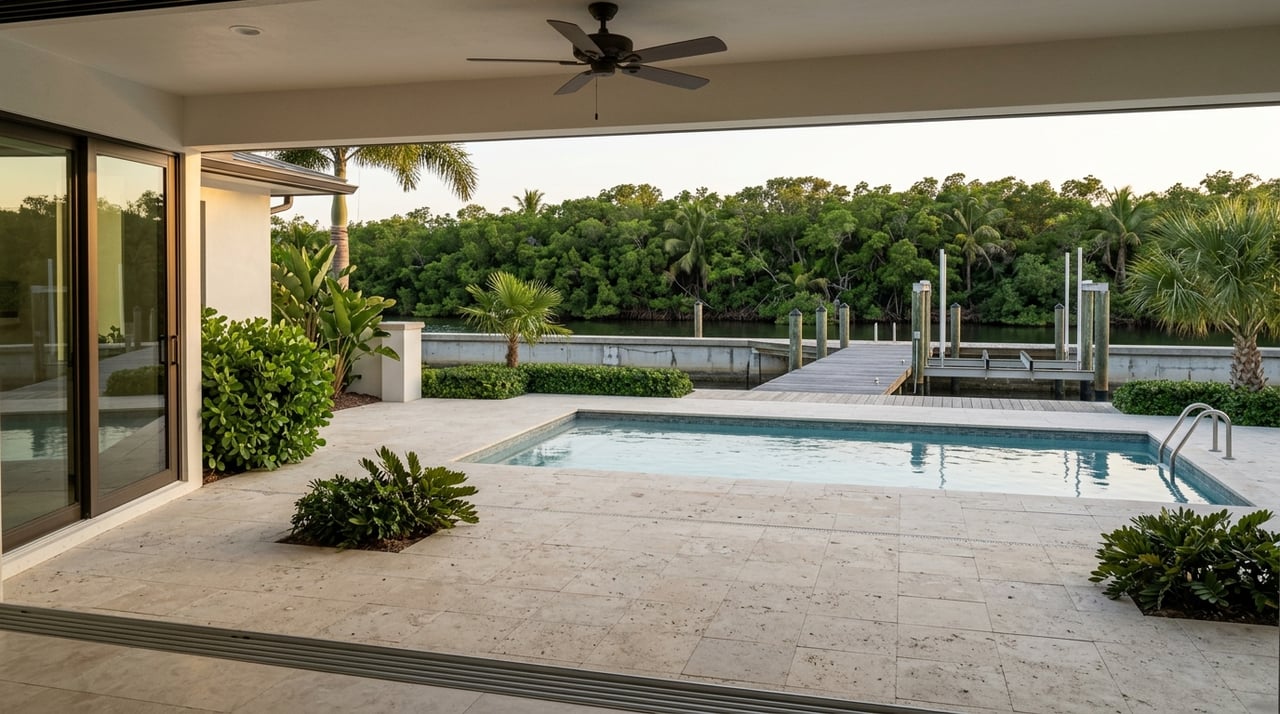
Tequesta Waterfront Home Options for River, Canal, or ICW
July 16, 2026
July 16, 2026
If you are drawn to Tequesta for the water, you are not looking at just one kind of waterfront lifestyle. In this small coastal village, riverfront, canal-front, and Intracoastal properties can feel very different in daily use, boating access, views, and long-term upkeep. Understanding those differences can help you focus your search with more confidence and ask better questions before you buy. Let’s dive in.
Tequesta’s geography is what makes this market so interesting. The village sits between the Loxahatchee River, Indian River, and Atlantic Ocean, and local planning documents note that the Intracoastal Waterway and Indian River Lagoon separate part of the mainland from the barrier island while canals and lakes feed into the larger water bodies.
For you as a buyer, that means one waterfront search can include several very different settings. Some homes offer a nature-forward river experience, some provide more sheltered canal dockage, and some place you on broad Intracoastal frontage with a stronger navigation focus.
The Loxahatchee River is a major part of local identity. Florida State Parks notes that it was Florida’s first federally designated Wild and Scenic River, flowing through Jonathan Dickinson State Park to Jupiter Inlet and the Atlantic Ocean.
That connection matters because the water here is not just scenic. It shapes how you boat, paddle, view wildlife, think about dock design, and evaluate flood exposure.
Riverfront homes in Tequesta are tied to the Loxahatchee River system, including its forks and river-adjacent channels. This setting is often the most connected to natural scenery and a quieter water experience.
Florida State Parks describes the river as a place used for canoeing and kayaking, with an upper section known for cypress canopy scenery and a lower stretch that becomes a mangrove-lined estuary. If you want a waterfront home that feels immersive and scenic, riverfront may be the category that stands out most.
Riverfront living tends to appeal to buyers who value the experience of the water as much as the view. You may picture early morning paddles, wildlife watching, or a more peaceful backdrop than a busier boating corridor.
That does not mean boating is off the table. The river ultimately connects to Jupiter Inlet and the Atlantic, but the route and ease of access can vary depending on tides, depth, and local speed rules.
If you are shopping riverfront with a boat in mind, the most important question is not just whether the property has a dock. It is whether the water access matches the way you plan to use your boat.
The Jupiter Inlet District maintains a navigable channel from the mouth of the river to the Atlantic and maintains channel markers and boating speed zones along the river system. Buyers with larger boats should confirm water depth, channel conditions, dock fit, and whether any portions of the route are tide dependent before making assumptions about access.
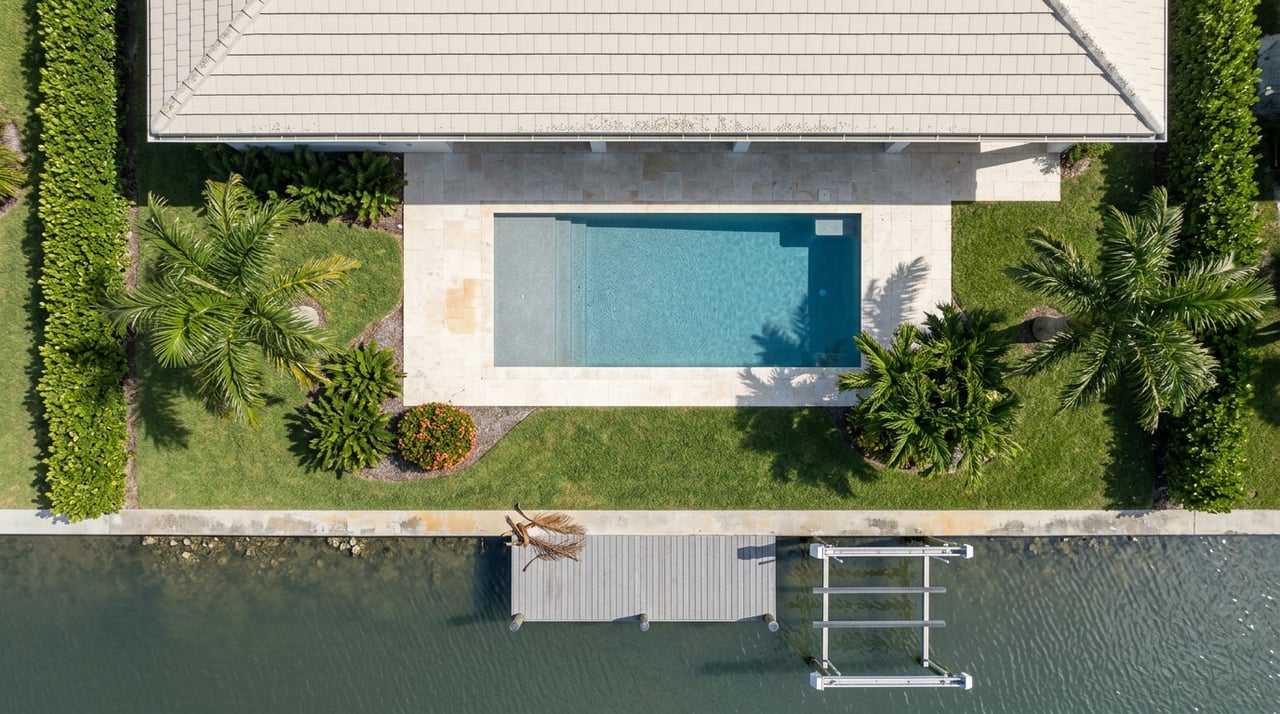
Canal-front homes can be a smart fit if you want water access in a setting that often feels more tucked into the neighborhood. In Tequesta, canals are part of the larger waterfront network, not a separate world disconnected from the river or Intracoastal.
The village notes that it contains canals and lakes that flow into the larger water bodies. In practical terms, canal-front living is often about balancing dockable water with a more sheltered setting.
One of the biggest mistakes buyers make is assuming all canal homes offer the same boating potential. Tequesta’s official FAQ is clear that dock and pier length, width, and configuration vary depending on whether a property fronts the Loxahatchee River, the Intracoastal Waterway, or a canal.
That means two homes that look similar from the street can perform very differently on the water. Canal width, turning space, bridge limitations, channel depth, and dock layout all deserve close review.
If you are comparing canal homes, it helps to review a short practical checklist:
For many buyers, canal-front living offers a comfortable middle ground. You still get access to the water, but in a setting that may feel more residential and protected than broad open frontage.
If your ideal waterfront lifestyle centers on big views and easy orientation to boating routes, Intracoastal living may be the strongest match. Tequesta’s water resources include the Intracoastal Waterway and Indian River Lagoon, and local planning documents describe this waterway as a defining feature of the area.
The Jupiter Inlet District also notes that the Jupiter Inlet connects residents to the Intracoastal Waterway and offshore access. For buyers who want efficient navigation and a broad-water setting, that can be a meaningful advantage.
Intracoastal properties often offer the widest sightlines of the three categories. You may have a more expansive water view and a stronger sense of being in the center of the boating landscape.
That same openness can also bring more traffic, more wake exposure, and more day-to-day motion on the water. If you value activity and direct routing, that may be a positive. If you want a calmer visual setting, it is worth weighing carefully.
Not every stretch of the Intracoastal behaves the same way. In Jupiter Narrows, the Florida Fish and Wildlife Conservation Commission approved a year-round slow-speed minimum wake zone in February 2025 for a portion of the Intracoastal Waterway extending about 2,225 feet north from Cato’s Bridge due to congestion and narrow width.
That is a useful reminder that boating convenience is not just about having direct frontage. It is also about how local traffic patterns, wake, and regulation affect your day-to-day use of the property.
Choosing the right waterfront setting usually comes down to how you want to live, not just what looks best in photos. Each option brings a different blend of scenery, boating practicality, and exposure.
| Waterfront type | Often best for | Key advantage | Key question to ask |
|---|---|---|---|
| Riverfront | Buyers who value scenery, paddling, and nature | Strong natural setting tied to the Loxahatchee River | How tide dependent is access for my boat? |
| Canal-front | Buyers who want dockable water in a more sheltered setting | Potentially more protected neighborhood feel | Can my boat navigate the canal and fit the dock? |
| Intracoastal | Buyers focused on views and direct boating orientation | Broad views and strong route access | How much wake, traffic, and regulation affect this location? |
In Tequesta, water access and water risk go hand in hand. The village’s flood information says flooding can come from tidal surge, heavy rain, and drainage problems, and it recommends flood insurance for all residents.
That recommendation matters whether or not a property feels elevated or protected. FEMA also states that federal flood insurance purchase requirements apply in Special Flood Hazard Areas when a government-backed mortgage is involved.
Before narrowing your search, these are some of the most useful questions to answer:
These questions can save you time and help you compare homes more clearly. They also shift the conversation from broad labels like “waterfront” to the real details that affect daily enjoyment.
If you are still deciding, a simple framework can help. Choose riverfront if you want the most scenic, nature-forward experience and are comfortable evaluating tides and river access in detail.
Choose canal-front if you want dockable water in a more sheltered setting and are willing to verify the exact limitations of the dock and channel. Choose Intracoastal if broad views, stronger boating orientation, and direct routes toward the inlet are highest on your list.
In a market like Tequesta, those distinctions matter. The right property is not just about being on the water. It is about finding the waterfront experience that fits how you actually want to live.
If you are considering a waterfront purchase in Tequesta and want a more discreet, tailored perspective on how each setting compares, Leila Kallop offers private consultation and curated guidance for luxury waterfront buyers and sellers.
Stay up to date on the latest real estate trends.
Leila has been a Jupiter Island resident since 2011 and brings a deep understanding of the island’s luxury waterfront properties. Residing on South Beach Road provides her a unique perspective on what makes Jupiter Island real estate so exceptional.
LEILA KALLOP
WILLIAM RAVEIS REAL ESTATE
2 S Beach Rd
Jupiter Island FL 33455