Hobe Sound Beachfront vs Intracoastal: Key Factors
July 23, 2026
July 23, 2026
Choosing between beachfront and Intracoastal in Hobe Sound is not just about picking a view. It is about how you want to live on the water each day, what kind of access matters most to you, and how comfortable you are with the rules that come with a coastal property. If you are weighing both options, understanding the local setting can help you make a clearer, more confident decision. Let’s dive in.
Hobe Sound sits within a barrier-island and lagoon system, which is a big reason oceanfront and Intracoastal properties feel so different here. Martin County notes that the St. Lucie Inlet separates Jupiter Island from Hutchinson Island and connects the Atlantic Ocean with Hobe Sound and the Atlantic Intracoastal Waterway.
In simple terms, the ocean side is closely tied to Jupiter Island, while the lagoon side faces the Indian River Lagoon and Intracoastal system. That natural split shapes views, access, site conditions, and the daily rhythm of waterfront living.
Hobe Sound also carries a more preserved coastal character than many buyers expect. The Hobe Sound Community Redevelopment Area describes a vision centered on small-town character and a more pedestrian-friendly Bridge Road, which supports the quieter pace many people come here to find.
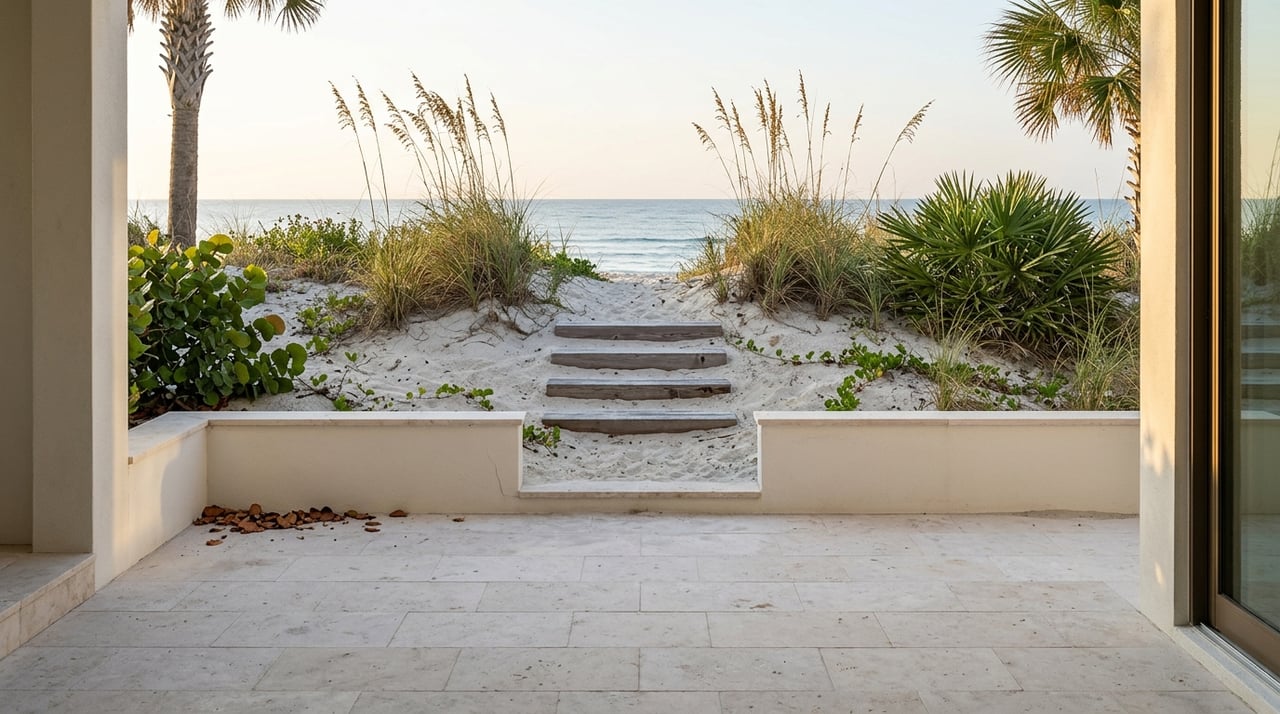
If your priority is a direct connection to the Atlantic, beachfront ownership is the most obvious fit. You get open water views, the sound of the surf, and immediate access to the beach environment that defines this part of the coast.
Near Hobe Sound, that ocean experience is also shaped by protected land. The Nathaniel P. Reed Hobe Sound National Wildlife Refuge includes 1,091 acres and contains the largest contiguous section of undeveloped beach in southeastern Florida, which helps preserve a quieter and more natural setting.
For many buyers, that preserved feel is a major part of the appeal. Some nearby beach access areas have controlled entry, and the refuge notes that pets are not permitted on most of its beach areas, which contributes to a more protected everyday environment.
Beachfront living in Hobe Sound often appeals to buyers who value:
Martin County also identifies Hobe Sound Beach as a guarded beach with daily hours, live beach-condition information, and beach wheelchairs available at guarded locations. That can make public beach use more structured and convenient, even while the broader setting remains relatively calm and low-key.
Oceanfront ownership often comes with the highest regulatory burden. In Florida, the Coastal Construction Control Line, or CCCL, is a major factor for beachfront property, and the Florida Department of Environmental Protection directs buyers and real estate professionals to confirm whether a parcel is seaward of that line.
That matters because dunes, walkovers, and shoreline protections can affect what you may be able to build or change. Florida coastal construction law also imposes a 50-foot setback from mean high water at riparian coastal locations, subject to statutory exceptions.
Martin County adds another important layer. Its coastline is critical nesting habitat for endangered and threatened sea turtle species, so lighting, access, and dune protection deserve close review during due diligence.
On beachfront property, exterior lighting is not just a design decision. The Florida Fish and Wildlife Conservation Commission advises that artificial light on nesting beaches can disorient nesting females and hatchlings, and it favors low, long-wavelength, shielded fixtures for beachfront properties.
For you as a buyer, this means the ownership experience may involve more environmental stewardship than expected. That is not a drawback for everyone, but it should be part of your decision-making from the start.
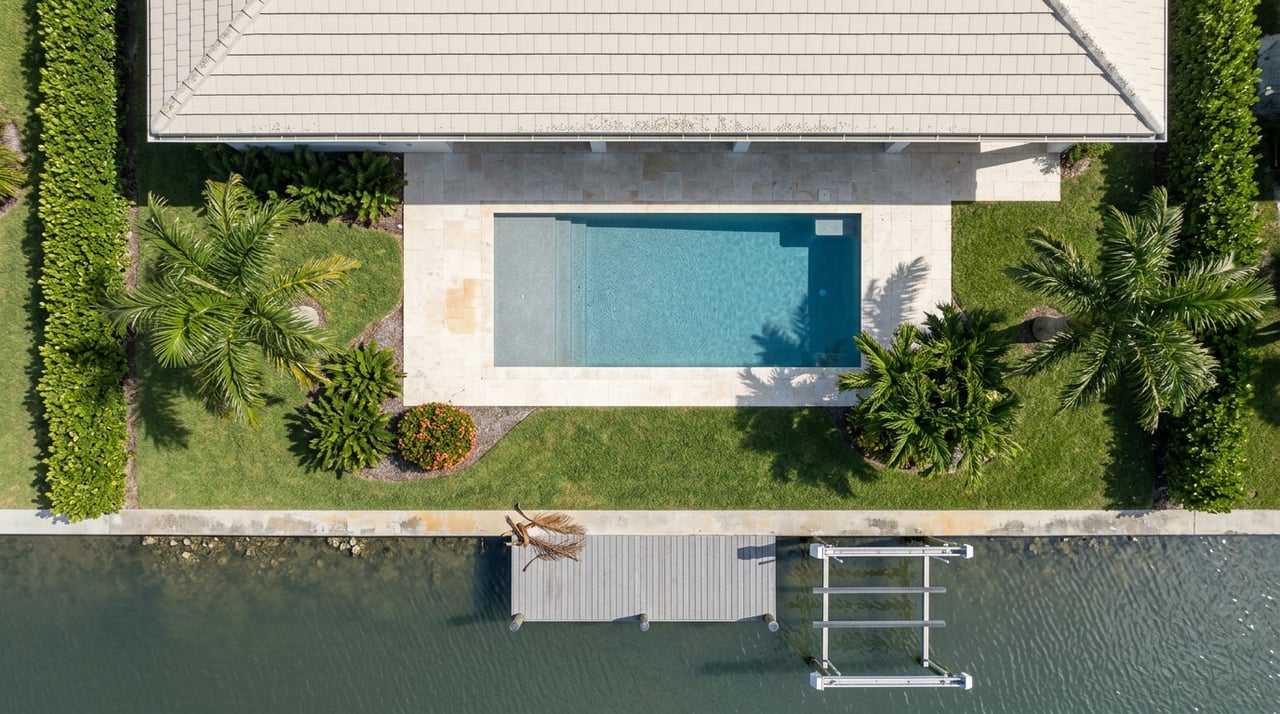
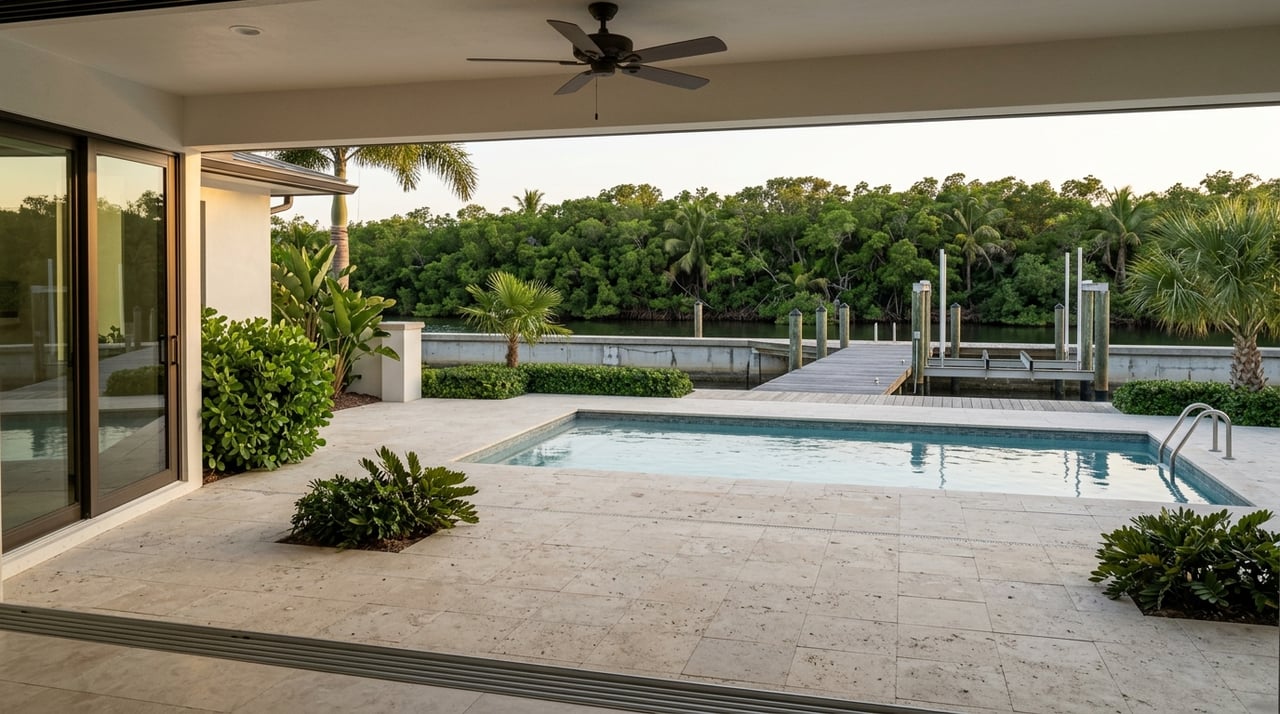
If boating, docking, and calmer water are at the top of your list, the Intracoastal side often makes more sense. The Indian River Lagoon and Intracoastal corridor support a more water-traffic-oriented lifestyle, with public launches, paddling trails, marinas, and boat ramps mapped by Martin County along this stretch.
That usually translates into a different daily experience than oceanfront living. Instead of surf and dunes, you may be focused more on dock access, canal or lagoon frontage, and how easily you can get on the water.
For many buyers, that practicality is the main advantage. Intracoastal properties often support a lifestyle centered on boating utility, calmer waterfront conditions, and easier day-to-day water access.
Intracoastal living in Hobe Sound often appeals to buyers who prioritize:
There is one important nuance, though. While the Intracoastal offers strong boating appeal, Martin County notes that the St. Lucie Inlet can be affected by shoaling, creating an unreliable channel for boat traffic and requiring dredging every two to four years.
Intracoastal parcels can look straightforward at first glance, but lot configuration and environmental rules can have a major impact on what is actually usable. Martin County says all waterfront lots on navigable estuarine waters have a shoreline protection zone, and properties with mangroves or wetlands may also have protected buffers.
In many cases, construction within these areas is generally limited to water access. That means your ability to add a dock, seawall, pool, or home expansion may depend as much on buffers and permit history as on lot size.
The rules can also vary by parcel age and platting history. Martin County explains that post-April 1982 subdivision lots usually have the shoreline protection zone established on the plat, while older or larger lot patterns may trigger different buffers.
This is one of the most important things to understand on the lagoon side. Two properties can share a similar view and similar frontage, yet offer very different usable footprints.
That is why lot-specific review matters so much in Hobe Sound. Before you assume a future dock project or outdoor addition is possible, it is wise to verify wetlands, mangroves, shoreline protection zones, and any prior approvals.
| Consideration | Beachfront | Intracoastal |
|---|---|---|
| Primary appeal | Atlantic views and beach access | Boating and dock access |
| Water conditions | Open ocean exposure | Calmer water |
| Setting | Dunes, beach, conservation influence | Lagoon, channels, boating corridor |
| Daily rhythm | More private, nature-oriented | More water-traffic oriented |
| Key due diligence | CCCL, dunes, lighting, setbacks | Buffers, wetlands, mangroves, dock feasibility |
| Long-term concerns | Erosion, low elevation, coastal maintenance | Lot-use limits and inlet access conditions |
On the ocean side, the Jupiter Island tract is a barrier island with very low elevation and ongoing accretion and erosion. That makes site conditions and long-term maintenance especially important when evaluating beachfront property.
On either side of the water, storm planning should come early in your process. Martin County’s evacuation information identifies storm surge zones AB, CD, and E, while noting that some county areas are not in any zone.
This does not mean one option is always better than the other. It means your best choice depends on whether you value direct ocean identity or boating utility more, and how each property’s site conditions fit your goals.
If you picture mornings with wide Atlantic views, direct beach access, and a more protected coastal setting, beachfront may feel like the natural choice. If you picture days built around boating, docking, and calmer water, the Intracoastal side may align more closely with how you want to use the property.
In Hobe Sound, the decision is rarely just aesthetic. It is a matter of geography, regulation, long-term stewardship, and lifestyle fit.
A thoughtful review of access, lot constraints, environmental rules, and storm considerations can help you avoid surprises later. If you are considering a waterfront purchase in Hobe Sound or on nearby Jupiter Island, Leila Kallop can help you evaluate the tradeoffs with local insight and discreet, personalized guidance.
Stay up to date on the latest real estate trends.
Leila has been a Jupiter Island resident since 2011 and brings a deep understanding of the island’s luxury waterfront properties. Residing on South Beach Road provides her a unique perspective on what makes Jupiter Island real estate so exceptional.
LEILA KALLOP
WILLIAM RAVEIS REAL ESTATE
2 S Beach Rd
Jupiter Island FL 33455