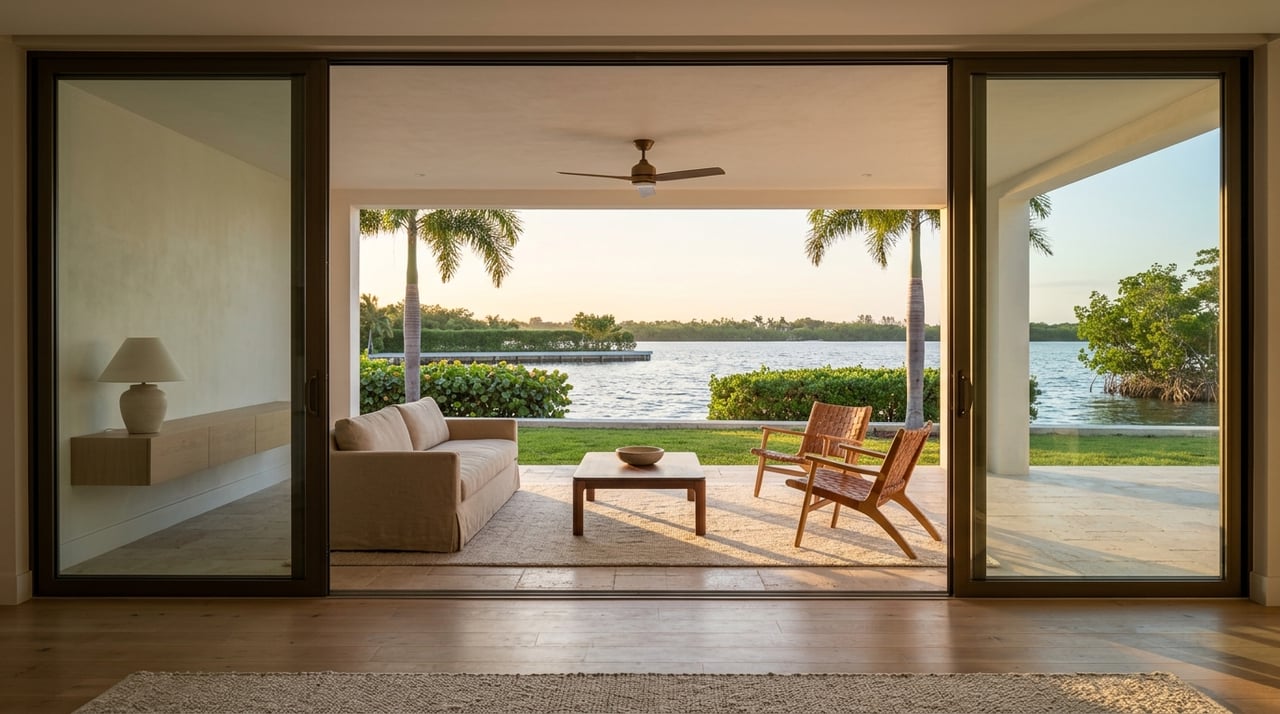
Jupiter Island Seasonal Leasing Guide for the Treasure Coast
April 16, 2026
April 16, 2026
If you are considering a seasonal lease on Jupiter Island or elsewhere along the Treasure Coast, the details matter more than many people expect. This is not a market where a simple vacation-rental mindset works well, especially on a barrier island shaped by local permitting, tax rules, storm planning, and property-specific responsibilities. Whether you are an owner planning to lease out a home or a tenant looking for a well-managed seasonal stay, this guide will help you understand the structure, timing, and practical considerations that shape a smoother experience. Let’s dive in.
On Jupiter Island and across the Treasure Coast, seasonal leasing is best understood as a carefully managed residential arrangement rather than a casual short-term rental. That distinction matters because Florida treats rentals differently depending on the lease term.
Under Florida law, a bona fide written lease for continuous residence longer than six months is generally outside the transient-rental tax framework. Rentals or leases of six months or less fall within local transient-rental tax rules, which is one reason seasonal leasing is often structured very deliberately in this market.
Jupiter Island also has its own local rules. The town’s vacation-rental ordinance defines a short-term or vacation rental as a dwelling used more than three times in a calendar year for stays under 30 days or one calendar month, whichever is less, or one that is advertised or held out for that use. Before operating, owners must register and obtain a town permit.
Jupiter Island is part of a broader Martin County coastal network that includes communities such as Hobe Sound, Jensen Beach, Palm City, Port Salerno, Rio, Stuart, Ocean Breeze, Sewall’s Point, and Indiantown, according to Martin County emergency planning materials. That regional context helps explain why seasonal leasing conversations often extend beyond one street or one town.
The local environment also shapes how leases should be handled. Jupiter Island’s ordinance was adopted to support safety and welfare and to preserve the town’s low-intensity residential character. It specifically notes that short-term occupants may be unfamiliar with evacuation routes, fire safety features, pool safety, and other important property details, as outlined in the town’s ordinance text.
For that reason, a strong seasonal lease here should do more than state rent and dates. It should set clear expectations for how the property is used, maintained, and protected.
A written lease should always be specific, but Florida law also provides default rules if a term is not clearly stated. Under Florida Statute 83.46, the tenancy can be determined by how rent is paid. Weekly rent creates a week-to-week tenancy, monthly rent creates a month-to-month tenancy, quarterly rent creates quarter-to-quarter, and yearly rent creates year-to-year.
For month-to-month tenancies, either party must provide at least 30 days’ written notice before the end of the monthly period. That makes precise drafting especially important when you want a seasonal arrangement to begin and end on a clear timeline.
In this market, the most effective seasonal leases usually spell out:
These practical terms are especially important on barrier-island properties, where property care and weather preparedness are not small details.
On the Treasure Coast, lease timing should account for both seasonal demand and storm season. Martin County identifies hurricane-season preparation as running from June 1 through November 30.
That window can affect when owners block time for personal use, maintenance projects, inspections, or offseason property work. If you are entering a seasonal lease, it helps to think beyond the move-in date and consider what happens just before and just after the lease term ends.
For owners, that may mean building in time for repairs, service scheduling, or permit renewal. For tenants, it may mean understanding what storm procedures apply during occupancy and what communication plan is in place if weather becomes a concern.
For owners considering seasonal leasing on Jupiter Island, compliance is a major part of the process. The town requires a separate permit for each rental unit, annual renewal, and a renewal deadline of September 30, according to the town’s vacation-rental ordinance.
The permit application must include:
At the state level, the Florida Department of Business and Professional Regulation says vacation rentals are licensed when an entire unit is rented more than three times in a calendar year for periods of less than 30 days, or when it is advertised or held out that way. For single-family homes, townhouses, and small multi-unit dwellings, the applicable category is generally the dwelling classification.
If the property is a condo, DBPR’s application packet also references balcony inspection certification requirements where applicable.
Tax treatment is another reason seasonal leasing should be approached carefully. According to the Florida Department of Revenue’s transient rental tax guidance, Florida imposes a 6% state sales tax on transient rentals.
In Martin County, the local transient rental tax rate is 5%, and Martin County’s discretionary sales surtax is 0.5% in 2026. Florida Revenue notes that transient-rental taxes are reported with the state return, while county tourist-development taxes may be collected by the county.
Martin County tourist development tax revenue may be used for tourist-related facilities, promotion, and beach and shoreline maintenance, as noted by the state’s local option tax overview. On a barrier island, that broader coastal upkeep is part of the local context owners and tenants should understand.
One of the most important parts of a seasonal lease is the allocation of day-to-day responsibilities. For single-family homes and duplexes, Florida Statute 83.51 allows some landlord maintenance obligations to be altered in writing.
That means the lease should clearly address recurring items such as:
On Jupiter Island, clear terms are especially useful because local rules also focus on noise, traffic, parking, and public-service impacts. The town ordinance supports spelling out guest limits, parking rules, trash procedures, and quiet-hours expectations in the lease or house materials.
Many seasonal arrangements involve owners, tenants, and managers who are not in the same location full time. Florida now allows electronic delivery of landlord-tenant notices by e-mail if both parties sign an addendum and provide valid e-mail addresses.
Either party can revoke that agreement in writing. For owners who travel often or manage property from another city, this can make communication more efficient, provided the lease documents are set up correctly from the start.
A well-managed seasonal lease often benefits from a simple communication plan that covers routine service coordination, emergency contact details, and storm-related updates.
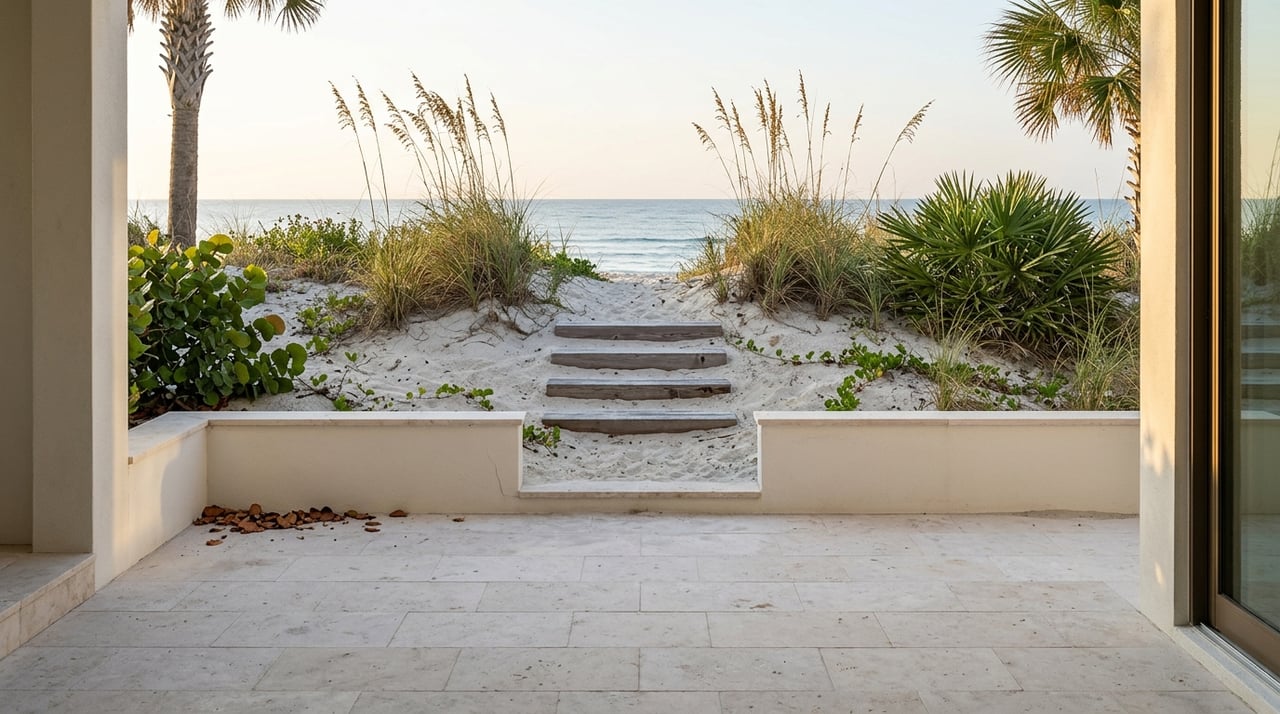
Barrier-island leasing comes with real environmental considerations. Martin County identifies Jupiter Island and other barrier-island areas as places affected by hurricanes, storm surge, flooding, beach erosion, and sea-level rise in its comprehensive emergency management plan.
Because of that, guest orientation should not be an afterthought. A practical move-in process may include written evacuation instructions, storm procedures, emergency contact information, and a documented inventory with dated photos at move-in and move-out.
Martin County also encourages residents and visitors to know their evacuation zones, have a plan, and use trusted emergency alerts. That guidance fits naturally into the way a professionally prepared seasonal lease should be handled.
If your lease overlaps with spring, summer, or early fall, it is also worth understanding local beach guidance. Martin County sea turtle information notes that sea turtle nesting season runs from March 1 through October 31.
During that period, residents and visitors are asked to turn off patio lights or close blinds so light does not shine onto the beach. The county also advises avoiding flash photography and filling holes or leveling sandcastles before leaving the beach.
These are simple but important parts of living responsibly in a coastal environment. For seasonal tenants, a clear house manual can make these expectations easy to follow.
Whether you are leasing a property or searching for one, the strongest approach is to think of seasonal leasing here as a structured residential process. It is not only about finding the right home or the right tenant. It is also about aligning the lease with local ordinances, tax registration, timing, maintenance responsibilities, and coastal safety realities.
That is where local knowledge makes a difference. On Jupiter Island and the Treasure Coast, the best seasonal leasing experiences usually begin with careful planning, well-drafted terms, and a clear understanding of how the property will be managed throughout the lease period.
If you are exploring a seasonal lease, considering whether to offer your property, or weighing a purchase with leasing potential, Leila Kallop offers discreet, high-touch guidance shaped by deep local knowledge of Jupiter Island and the Treasure Coast.
Stay up to date on the latest real estate trends.


Leila has been a Jupiter Island resident since 2011 and brings a deep understanding of the island’s luxury waterfront properties. Residing on South Beach Road provides her a unique perspective on what makes Jupiter Island real estate so exceptional.

LEILA KALLOP
WILLIAM RAVEIS REAL ESTATE
2 S Beach Rd
Jupiter Island FL 33455