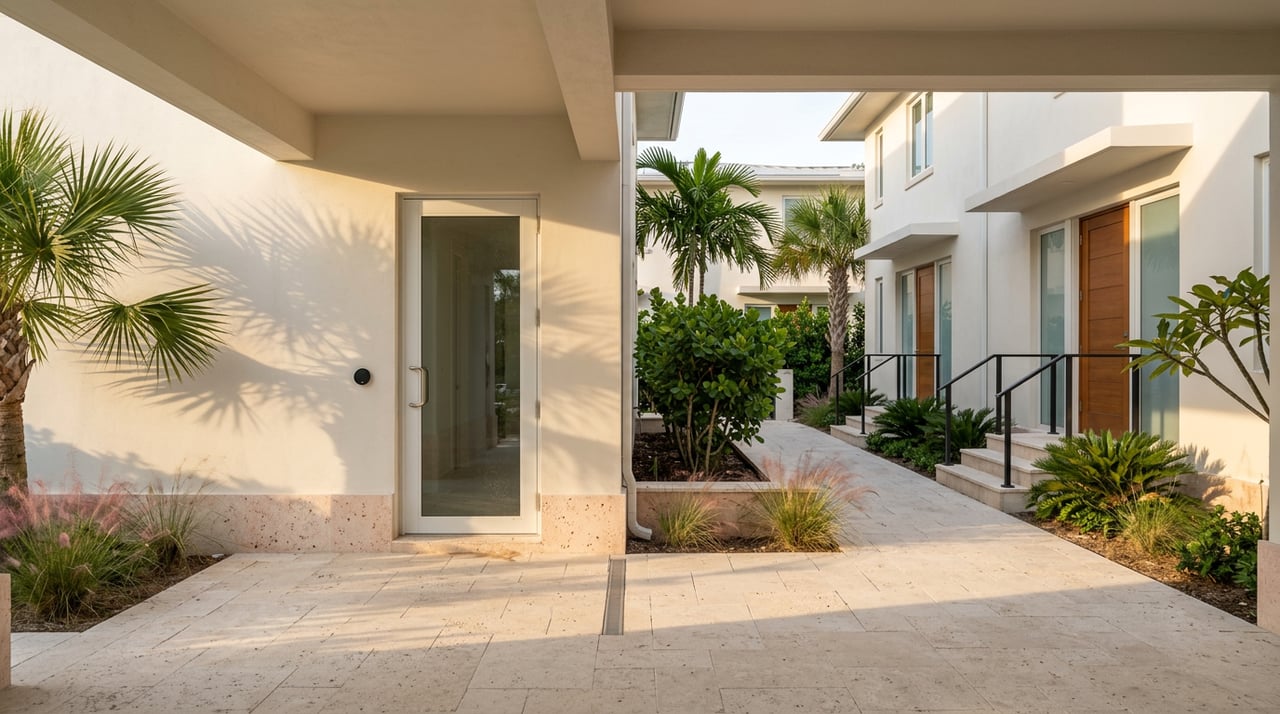
Choosing Between a Juno Beach Condo and Townhome
March 24, 2026
March 24, 2026
If you dream of stepping from your front door to soft sand in minutes, Juno Beach makes that vision feel close. The town’s intimate scale, year-round beach access, and easy coastal rhythm are a natural fit if you prefer a lock-and-leave lifestyle. The key choice is whether a condo or a townhome suits how you want to live, insure, and maintain your place by the ocean. In this guide, you will learn the practical differences, the coastal factors that affect costs, what local rental rules allow, and a clear checklist you can use before you make an offer. Let’s dive in.
Juno Beach is a small coastal town with beach parks, a scenic fishing pier, and a relaxed pace that attracts seasonal and full-time residents. You can spend a morning at Loggerhead Park or stroll the Juno Beach Pier within minutes of many neighborhoods. For a quick feel for the area, the town’s setting and landmarks are outlined on the Juno Beach overview page on Wikipedia, which highlights the local park system and the pier.
At a market level, listings in Juno Beach skew toward the higher end for Palm Beach County. Recent market pages show a median listing price around $1.35 million across property types, which blends condos, townhomes, and single-family homes. You can see that context in recent Juno Beach sales data on Realtor.com.
Walkability to the shoreline varies block by block. Homes and buildings on or near Ocean Drive and A1A are typically a one to five minute walk to dunes and boardwalks, while inland pockets are more car dependent. Example listings in the 33408 area show Walk Scores in the mid range, reflecting a mix of beach proximity and everyday errands.
Use these fast checks to decide if a building or community deserves a deeper look.
Condo ownership typically covers the inside of your unit, while the association owns and maintains the building exterior, roof, land, and common areas. This setup supports a true lock-and-leave lifestyle because building-level upkeep is handled through the association. You can review a clear consumer overview of condo versus townhome ownership differences for a refresher on how responsibilities are usually split.
Townhomes can be structured two ways. Many are fee simple, which means you own the structure and the land under it and you are responsible for items like the roof, exterior, and some landscaping. Others are created as condominium units, where the association covers more exterior items. The only way to know is to review the recorded declaration and association documents before you buy.
Condo fees are often higher because they fund exterior maintenance, building systems, common-area insurance, and amenities. Fees can be significant in beachfront buildings with pools, elevators, and on-site staff. In return, most exterior work is scheduled and handled, which is ideal if you travel often.
Townhome fees may be lower, but owners usually take on more of the exterior work if the home is fee simple. If the townhome sits inside a managed HOA that covers roofs, painting, and landscaping, expect fees to rise. Either way, ask for the current budget, reserve study, fee schedule, vendor contracts, and at least 12 to 24 months of meeting minutes to spot upcoming projects that could affect costs.
In Florida, condominium associations are required to maintain a master property policy, and unit owner responsibilities are defined by statute and by the building’s declaration. The master policy’s scope and deductible matter because uncovered losses and deductibles can be passed to owners as common expenses if the documents allow it. Review Florida Statute 718.111 for the association’s insurance duties, and always request the master policy declarations before you choose your unit-level coverage.
For fee-simple townhomes, you will typically carry a homeowners policy that covers the structure and site, unless the HOA insures specific exterior elements. The right policy shape depends on what the association covers. A quick talk with your insurance agent using the association documents in hand will save guesswork.
Juno Beach contains a mix of AE, VE, and X flood designations. VE is a coastal high-hazard velocity zone, and AE and X carry lower wave impacts. Insurance pricing and mitigation requirements vary by zone, so you should confirm the exact map panel for the address and the finished floor elevation of the unit or building. The Palm Beach County Flood Insurance Study outlines these zones and how they apply across the town.
If you plan to finance or insure a home in a Special Flood Hazard Area, expect a lender to require flood insurance. Ask for a FIRMette and an elevation certificate so you can obtain a property-specific quote early. A higher elevation or better mitigation can meaningfully change premium estimates.
Coastal properties face wind and hurricane exposure. In condos, the association typically insures the building. Unit owners carry an HO-6 that covers interiors and personal property based on the building’s insurance framework. Pay close attention to wind deductibles on the master policy, since deductibles and any uninsured shortfalls may be allocated to owners per the documents. You can confirm the association’s insurance responsibilities in Florida Statute 718.111.
Proximity to salt air speeds up wear on metal railings, balcony components, sliding doors, and exterior finishes. HVAC units, windows, and pool equipment may need more frequent service. In a condo, associations often hold multi-year service contracts to manage this. In a fee-simple townhome, you may need to schedule seasonal vendor visits and plan for exterior work sooner than you would inland.
Look for impact-rated windows or shutters, documented roof age and assembly, and a clear storm plan from management. Inside the unit, shut-off valves, leak detectors, and a basic HVAC maintenance plan help prevent small issues while you are away. Ask whether on-site management performs routine inspections during owner absences.
If you plan to rent your property seasonally, check two layers of rules. First, the Town of Juno Beach requires vacation rentals to register with the town, meet inspection standards, post a responsible-party contact, observe occupancy limits, and show proof of county tourist tax accounts. Second, your association’s rules may be stricter than town rules and can limit or prohibit short-term rentals. Confirm minimum stays, any caps on the number of rentals per year, and required approvals long before you write an offer.
What makes a property easier to rent and to lock and leave? On-site management, clear emergency response procedures, routine inspections during owner absences, and defined package and access protocols are strong indicators. Buildings with established rental processes can also simplify operations if rentals are allowed.
If you visit multiple times per year and want minimal maintenance, a condo often fits best. Full-service buildings are designed around owner convenience and building-level care. If you want private outdoor space or a private garage and are prepared to manage some exterior items, a townhome can be a great match.
If you plan to rent frequently, verify both the town registration process and your association’s rental permissions. A building with professional management and clear rental procedures is usually easier to manage as a seasonal home.
Use this short list for each property you like.
Choosing between a condo and a townhome near the sand in Juno Beach comes down to how you travel, how hands-on you want to be with upkeep, and how risk and insurance fit your budget. Two cautions deserve a second read. First, flood insurance and master-policy deductibles can create surprise costs after a storm if you do not review documents closely. Second, association rental rules often override what the town allows, so always check the CC&Rs before you plan any seasonal rentals.
If you want a refined, no-drama search, lean on a local advisor who knows the buildings, bylaws, and flood panels by heart. For discrete guidance, curated introductions, and a tailored short list that fits how you live and travel, connect with Leila Kallop. Request a private consultation and move forward with confidence.
Stay up to date on the latest real estate trends.

Leila has been a Jupiter Island resident since 2011 and brings a deep understanding of the island’s luxury waterfront properties. Residing on South Beach Road provides her a unique perspective on what makes Jupiter Island real estate so exceptional.

LEILA KALLOP
WILLIAM RAVEIS REAL ESTATE
2 S Beach Rd
Jupiter Island FL 33455