
Strategically Listing a Waterfront Home in Hobe Sound
April 23, 2026
April 23, 2026
Selling a waterfront home in Hobe Sound is not the same as listing an inland property. Buyers will notice the views and outdoor spaces right away, but they will also look closely at flood risk, shoreline improvements, permits, and insurance details. If you prepare those pieces before you go to market, you can create a smoother experience, answer questions with confidence, and position your home more effectively from day one. Let’s dive in.
Waterfront homes often attract serious interest, but they also come with more due diligence. In Martin County, sellers should be ready to address flood zone status, elevation information, insurance history, erosion exposure, and shoreline structures such as seawalls, docks, and boatlifts. Martin County also notes that all zones can flood, and even Zone X properties have experienced significant flooding, which is why preparation matters well before your listing goes live. Learn more through Martin County flood zone guidance and FEMA information on coastal erosion hazards.
Broad market snapshots can also be misleading for a waterfront seller. Current public data sources show different Hobe Sound averages, which is a reminder that pricing should be based on recent waterfront comparables rather than general market numbers. In a niche segment like waterfront property, condition, setting, and documentation often influence value as much as square footage.
If you are preparing to list a waterfront home in Hobe Sound, your first goal is to avoid using broad market averages as your pricing strategy. Public sources currently report different values and timelines for Hobe Sound overall, so a waterfront property should be evaluated against similar recent sales, not just the wider local market. That creates a more accurate picture of how your home may compete.
Positioning also matters. Buyers of waterfront homes are often weighing not only the residence itself, but also water access, shoreline condition, outdoor living, and the quality of documentation available. A well-positioned listing tells a complete story, not just a visual one.
Before listing, it helps to create a clean file of documents that buyers are likely to request. For many waterfront homes, that starts with flood-zone information, any available elevation certificate, and current or past flood-insurance records. According to Martin County, flood insurance is required for homes with federally backed mortgages in a Special Flood Hazard Area, and homeowners insurance does not cover flood damage.
If your home was built after 1991 in a Special Flood Hazard Area, Martin County may already have an elevation certificate on record. Pulling that document early can save time later and help support buyer conversations about insurance and risk. Even when insurance is not legally required, buyers often want clarity on availability and prior coverage.
Florida sellers now have a specific flood disclosure requirement for residential real property. Under the 2025 Florida statute, sellers must disclose, at or before contract execution, whether they know of flooding that damaged the property during ownership, whether they filed a flood-related insurance claim, and whether they received flood assistance.
This rule works alongside Florida’s broader disclosure standard. If you know about hidden facts that materially affect value and a buyer would not readily observe them, you must disclose them. For waterfront homes, that can include prior water intrusion, structural movement, or shoreline issues, as outlined in Florida Realtors’ summary of Florida real estate disclosure laws.
For many Hobe Sound waterfront properties, shoreline improvements can be just as important as the house itself. In Martin County, a permit is required to construct a seawall, dock, or boatlift. The county also notes that riprap shoreline stabilization requires a stabilization permit, while seawall and retaining-wall repairs are handled through a building permit. You can review these requirements through the county’s seawall, dock, and boatlift permit guidance.
If your property has a dock, lift, seawall, or other shoreline work, now is the time to confirm that the work was properly permitted and finalized. Missing permits or incomplete records can slow a transaction and raise concerns that might have been avoided with early review.
Waterfront homes often involve issues that are best reviewed by specialists, not handled as a quick pre-sale cosmetic fix. If your preparation touches shoreline stabilization, elevation questions, insurance concerns, or structural items near the water, Martin County recommends coordinating with qualified professionals such as contractors, surveyors, engineers, or insurance agents. The county’s shoreline stabilization resources can help clarify the process.
If you have enough lead time, it may also be worth reviewing My Safe Florida Home mitigation resources. The state says eligible homeowners may obtain wind-mitigation inspections and, for some properties, grants for improvements that could harden the home and potentially reduce wind premiums.
Not every pre-listing improvement delivers the same return. According to the National Association of Realtors 2025 staging report, the most commonly recommended seller improvements were decluttering, deep cleaning, and curb appeal. The same research found that 49% of sellers’ agents saw staging reduce time on market, and 29% saw it increase offers by 1% to 10%.
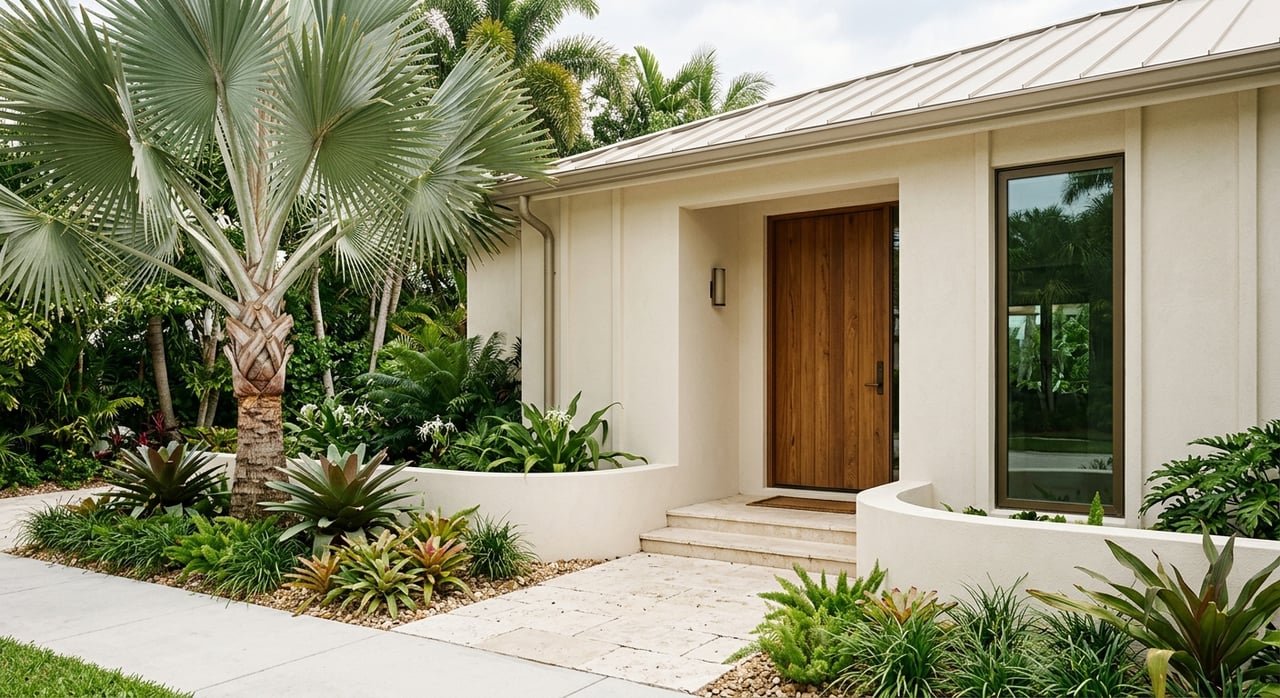
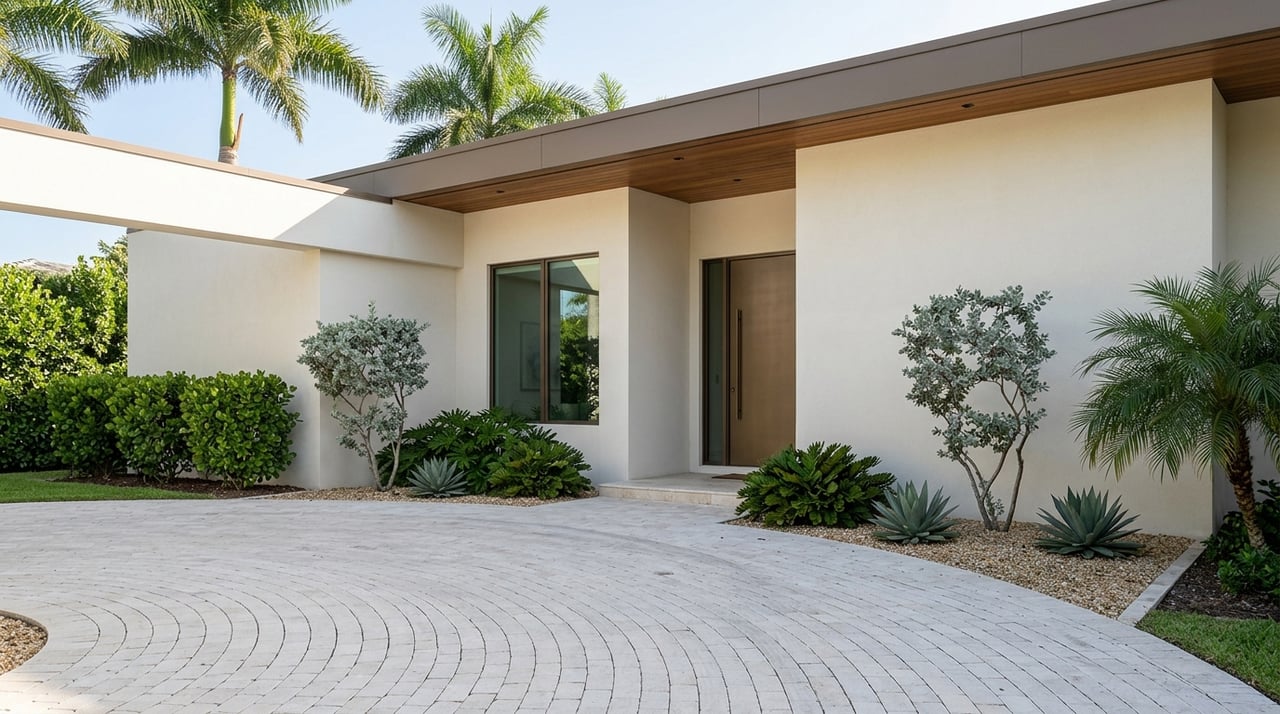
For a waterfront home, those findings point to practical priorities. Clean, neutral interiors, fresh paint where needed, tidy storage, polished outdoor spaces, and open view corridors usually matter more than expensive upgrades that do not clearly improve buyer confidence. In many cases, the goal is to make the home feel well cared for, bright, and ready to enjoy.
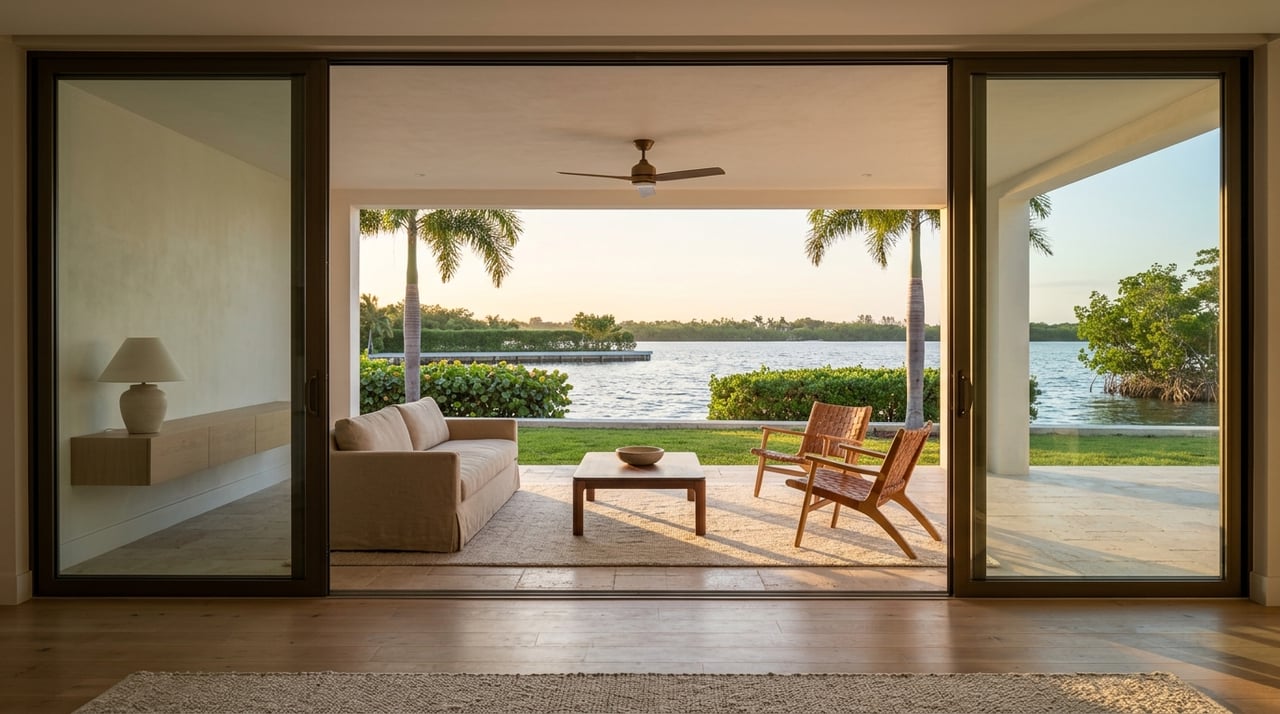
Some areas carry more weight than others when buyers evaluate a waterfront property. NAR reports that the living room, primary bedroom, dining room, and kitchen are the spaces most commonly staged. In a waterfront setting, your dock, patio, pool area, lanai, and any outdoor entertaining spaces deserve the same level of attention.
Simple steps can make a meaningful difference:
A waterfront home should be fully media-ready before it hits the market. According to NAR’s 2025 Profile of Home Staging, buyers’ agents rated photos as the most important listing asset among photos, physical staging, videos, and virtual tours. NAR also notes that many buyers use visuals to decide whether to visit in person.
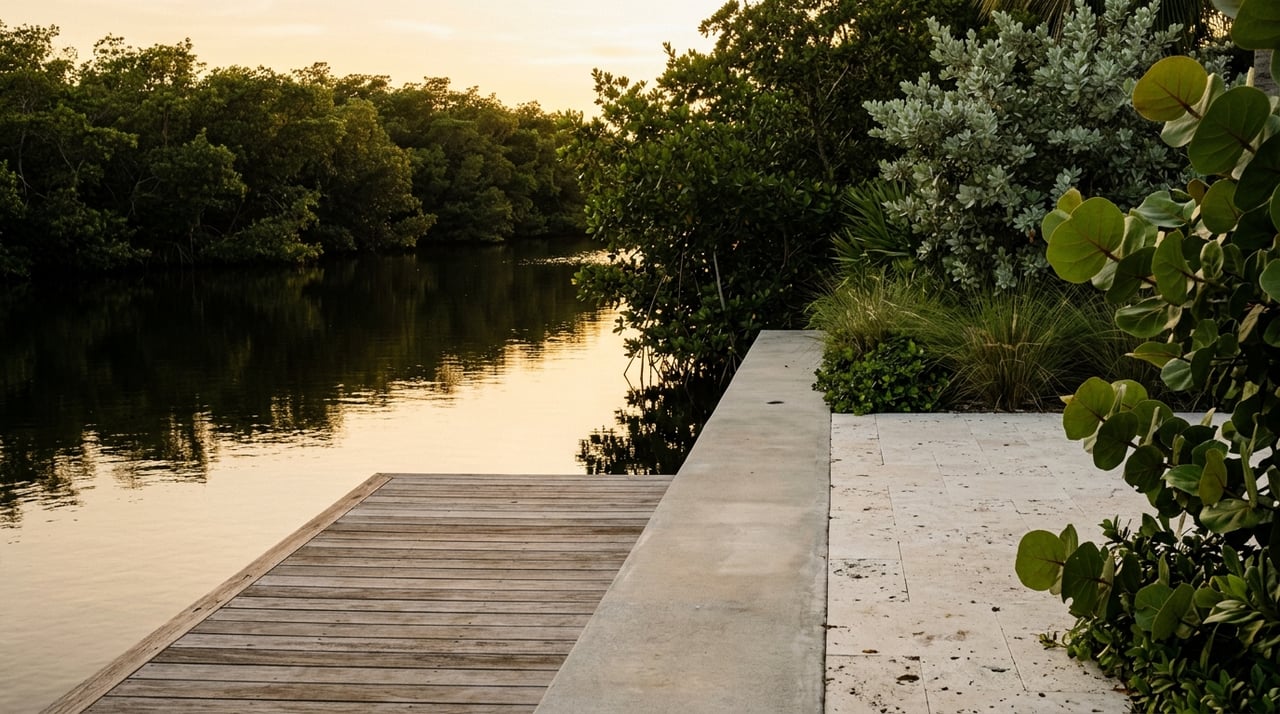
For Hobe Sound waterfront listings, that often means investing in professional photography that captures both the residence and its water relationship. Exterior twilight images, dock and boat access photos, outdoor living details, and a floor plan or virtual tour can help out-of-area buyers understand the property before they arrive.
Timing can shape your listing preparation, especially on the coast. The National Hurricane Center says the Atlantic hurricane season runs from June 1 through November 30, with peak activity around September 10 and the most active stretch typically falling between mid-August and mid-October.
If your schedule allows, it is wise to complete inspections, permit checks, documentation, and photography before peak season. That can make it easier to launch with fewer disruptions and a more complete presentation package.
One of the smartest things you can do before listing is organize a simple, complete property file. This helps you respond quickly to buyer questions and gives your home a more transparent, well-managed presentation.
Your waterfront pre-listing file should ideally include:
These are the details buyers tend to ask about first, especially when evaluating risk, insurability, and future maintenance.
Waterfront buyers often move quickly, but they also ask detailed questions. The most common ones usually center on flood zone, whether flood insurance is required or available, whether shoreline structures were permitted, what repairs have been completed, and whether any prior flooding has been disclosed. Martin County’s flood and permitting resources provide useful context for several of these topics.
When you prepare those answers in advance, your listing feels more credible and better cared for. That kind of readiness supports stronger buyer confidence and can reduce avoidable friction once interest starts to build.
Preparing to list a waterfront home in Hobe Sound is about more than making it look beautiful. It is about pairing presentation with documentation, pricing with local context, and marketing with the kind of transparency waterfront buyers expect. When those elements are in place, your home can enter the market from a stronger position.
If you are planning a sale and want a discreet, tailored strategy for your waterfront property, Leila Kallop offers thoughtful guidance shaped by local market knowledge, careful preparation, and a high-touch approach.
Stay up to date on the latest real estate trends.
Leila has been a Jupiter Island resident since 2011 and brings a deep understanding of the island’s luxury waterfront properties. Residing on South Beach Road provides her a unique perspective on what makes Jupiter Island real estate so exceptional.

LEILA KALLOP
WILLIAM RAVEIS REAL ESTATE
2 S Beach Rd
Jupiter Island FL 33455